Blue Ridge Knives Reviews: Unveiling the Giant of the Cutlery World
If you are a knife enthusiast, a retailer, or someone who simply appreciates a sharp edge, you have likely heard the name whispered in forums or seen it listed in catalogs: Blue Ridge Knives. But unlike typical manufacturers, Blue Ridge Knives (BRK) occupies a unique and often misunderstood space in the industry.
Are they a manufacturer? Are they a distributor? Are their “house brands” actually any good? In this comprehensive guide, we are going to peel back the curtain on one of the largest knife wholesalers in the world.
We will not only review the company’s operations and reliability but also dive deep into the specific knife brands they champion—from the budget-friendly traditional folders of Rough Ryder to the tactical heavy hitters they distribute. If you are looking for alternatives in the tactical space, you might want to check out our detailed M-Tech Knife reviews, but for now, let’s focus on the massive catalog of Blue Ridge.
Who is Blue Ridge Knives? The “Amazon” of Wholesale Cutlery
Founded over 40 years ago in Marion, Virginia, Blue Ridge Knives acts as a central hub for the knife industry. They are strictly a dealer-direct wholesaler. This means that as an average consumer, you cannot buy directly from their website. You have to go through a retailer.
However, understanding BRK is crucial for the consumer because they control the supply chain for some of the most popular budget brands on the market today.
Want to see the source? If you are a retailer looking to stock up, or just curious about their massive catalog layout, you can visit the official portal here:
The Blue Ridge Knives “House Brands” Review
While BRK distributes major brands like Spyderco and Kershaw, their real claim to fame for the budget-conscious buyer is their proprietary brands. The most famous of these is Rough Ryder.
Many people ask us how these knives compare to American classics. While they are manufactured overseas (primarily China), the quality control driven by Blue Ridge Knives is surprisingly high. They have effectively resurrected the “traditional slipjoint” market by offering bone handles, carbon steel blades, and classic patterns for a fraction of the cost of domestic equivalents.
Comparison: BRK Brands vs. The Competition
How do the brands distributed by Blue Ridge stack up against the tactical giants we have reviewed previously?
| Brand/Model | Primary Use | Steel Quality | Price Range | Best Alternative |
|---|---|---|---|---|
| Rough Ryder (BRK House Brand) | Traditional EDC / Whittling | 440A / T10 Carbon | $ – Budget | Case Cutlery |
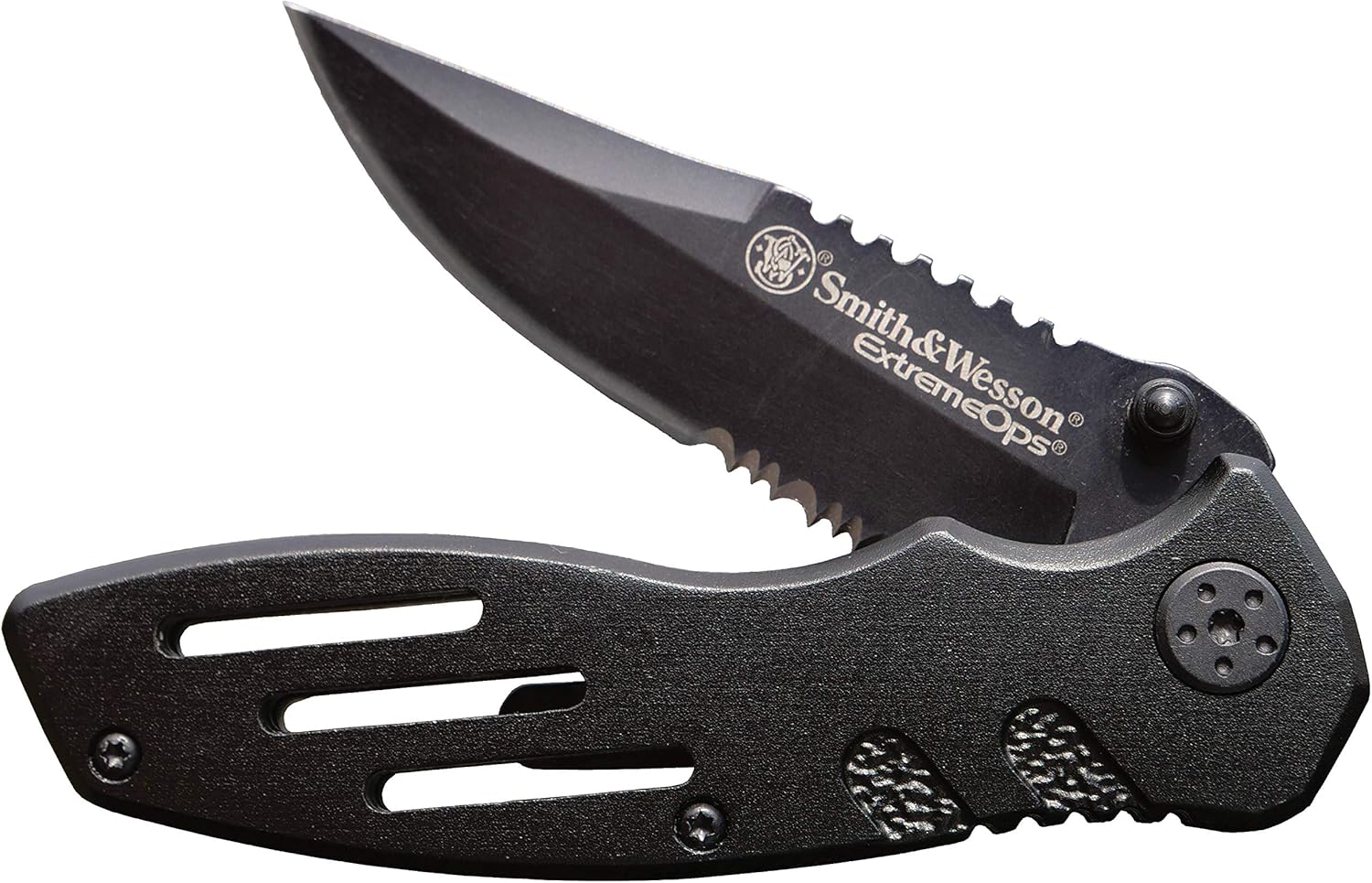
| Smith & Wesson | Tactical / First Responder | 4034 / 8Cr13MoV | $$ – Moderate | Read S&W Review |
| Kershaw | Modern EDC / Assisted | D2 / S30V / 14C28N | $$$ – Mid/High | Read Kershaw Blur Review |
| M-Tech | Tactical / Visual | 440 Stainless | $ – Budget | Read M-Tech Review |
Detailed Product Reviews: The Best of Blue Ridge Distribution
Since you buy Blue Ridge products through retailers (like Amazon), here are the top-rated knives that come from their distribution network, analyzed for quality and value.
1. Rough Ryder Classic Carbon Steel Trapper

You cannot talk about Blue Ridge Knives without reviewing the Rough Ryder Trapper. This is the quintessential “Grandpa knife.” It features genuine bone handles, nickel silver bolsters, and brass liners. The fit and finish are often superior to knives costing three times as much.
The Steel: They often use 440A or Carbon steel. While 440A is soft, it is incredibly rust-resistant. For a traditional pocket knife used to slice apples or open letters, it is perfect.
Pros
- Incredible value for money (usually under $20).
- Genuine natural handle materials (Bone, Stag, Wood).
- Excellent “Walk and Talk” (snap of the blade).
Cons
- Steel requires frequent sharpening.
- Made in China (a negative for some collectors).
2. Ka-Bar USMC Fighting Knife

Blue Ridge is a massive distributor for Ka-Bar. If you are looking for something with more historical significance and combat application, the USMC Fighting Knife is the legend. Unlike the budget-friendly M-Tech options we have reviewed here, the Ka-Bar uses 1095 Cro-Van steel.
This is a high-carbon steel that is incredibly tough. It is prone to rust if not oiled, but it will survive abuse that would shatter lesser blades. It is a staple in the Blue Ridge catalog for good reason.
Check Price on Amazon3. ESEE 4 Fixed Blade Survival Knife

For the survivalists, Blue Ridge ensures that ESEE knives reach store shelves. The ESEE 4 is arguably the most balanced survival knife ever made. It features a full tang construction, Micarta handles for grip in wet conditions, and a no-questions-asked warranty.
Comparing this to a Smith & Wesson tactical knife, the ESEE is in a different league regarding heat treatment and durability. It is a tool you trust your life with.
Check Price on AmazonWhy Retailers Love Blue Ridge (And Why You Benefit)
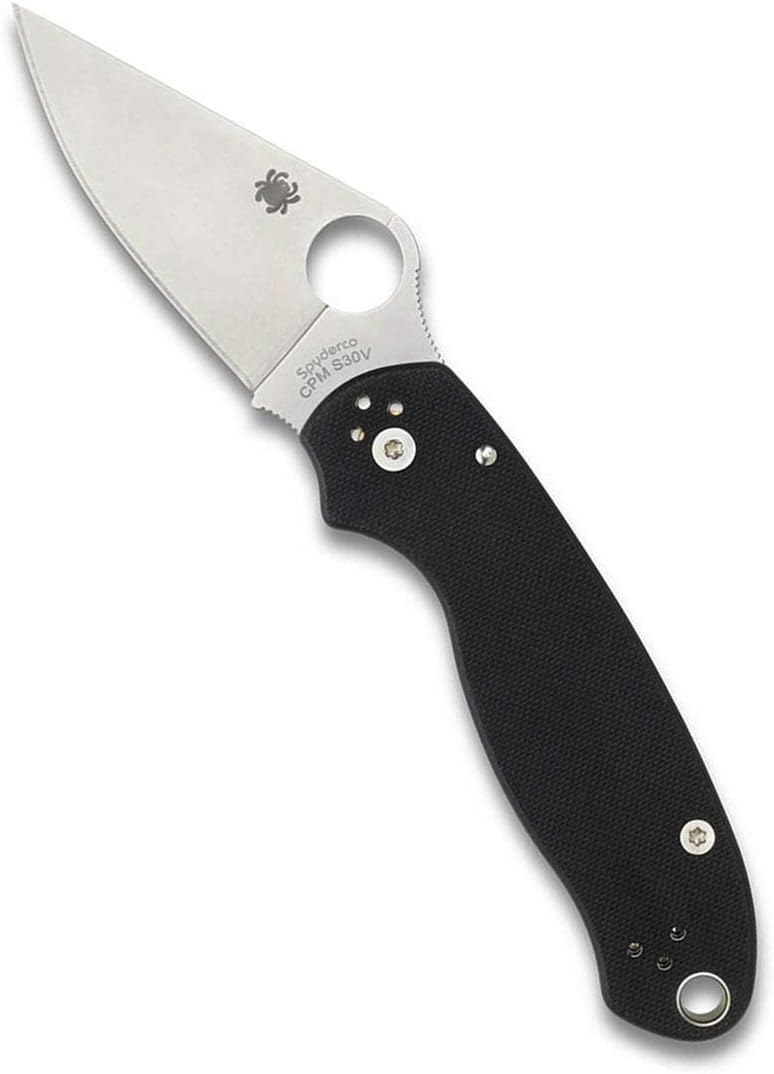
The success of Blue Ridge Knives lies in their inventory. Because they stock thousands of items, retailers don’t have to wait for manufacturers to do production runs. This means when you go to buy a Kershaw Blur S30V on Amazon, there is a high probability that the stock originated from the Blue Ridge warehouse.
This massive volume keeps prices competitive. It also allows them to commission “Dealer Exclusives.” You might find a Spyderco Delica in a color that doesn’t exist anywhere else—chances are, that was a run commissioned by a distributor like Blue Ridge.
The Quality Control Question
A common concern with wholesale brands is Quality Control (QC). Since Blue Ridge deals in volume, does quality suffer?
For Premium Brands: If you buy a Benchmade or Spyderco distributed by BRK, the quality is identical to buying direct. The boxes are sealed.
For House Brands (Rough Ryder, etc.): This is where BRK shines. They have managed to push Chinese manufacturing to a level where a $15 Rough Ryder often has better blade centering and fewer gaps than a $60 American-made Case knife. It is a controversial opinion, but one that many reviewers share.
How to Choose the Right Knife from the Catalog
With thousands of options, how do you choose? Here is our buying guide:
- Know Your Steel: If you see “440 Stainless” on a box, it is a budget knife. If you see “S30V,” “D2,” or “1095,” you are looking at a performance tool.
- Check the Handle Material: Blue Ridge house brands excel in natural materials. Look for Bone, Ram’s Horn, or Abalone. These add significant aesthetic value.
- Read the Warranty: Brands like ESEE (distributed by BRK) have lifetime warranties. Budget brands usually do not.
Frequently Asked Questions (FAQ)
Can I buy directly from Blue Ridge Knives?
No, Blue Ridge Knives is a wholesale distributor. You must have a valid resale tax license and a business to set up an account with them. Individuals must purchase their products through retailers or online marketplaces like Amazon.
Does Blue Ridge Knives own Rough Ryder?
Yes, Rough Ryder is a proprietary brand owned by Blue Ridge Knives. They design the knives and have them manufactured in China to their specifications, focusing on high value for the price.
Are knives distributed by Blue Ridge authentic?
Absolutely. Blue Ridge Knives is one of the most reputable distributors in the industry. Whether you are buying a Kershaw, a Ka-Bar, or a Smith & Wesson through a retailer supplied by BRK, the product is 100% authentic.
What is the best knife brand distributed by Blue Ridge?
It depends on your needs. For traditional pocket knives, Rough Ryder is the best value. For survival, ESEE is the top tier. For tactical applications, brands like Smith & Wesson and M-Tech are popular budget choices available through their network.
Where is Blue Ridge Knives located?
Their headquarters and main distribution warehouse are located in Marion, Virginia, USA.
Disclaimer: This post contains affiliate links. If you purchase through these links, we may earn a commission at no extra cost to you.