How to Travel with Kitchen Knives Safely: The Ultimate Guide for Chefs and Home Cooks
There is a highly specific, deeply frustrating kind of heartbreak known only to true culinary enthusiasts: arriving at a beautiful, expensive vacation rental, walking into the kitchen armed with bags of fresh, locally sourced farmers’ market ingredients, only to discover the house is equipped with nothing but a single, bent, tragically dull serrated utility knife from 1988.
Whether you are a professional executive chef heading to an off-site catering gig, a bright-eyed culinary student commuting to a new city, or simply a deeply passionate home cook who absolutely refuses to crush delicate heirloom tomatoes with a blunt instrument, knowing how to travel with kitchen knives safely is an absolutely indispensable life skill.
However, transporting razor-sharp, high-carbon steel is decidedly not as simple as blindly tossing a chef’s knife into the bottom of your backpack or duffel bag. Between navigating the notoriously strict and heavily enforced TSA aviation regulations, mitigating the severe physical danger of exposed edges to baggage handlers, and managing the high risk of catastrophic damage to your expensive, delicate Japanese kitchen knives, proper preparation and packing protocols are mandatory.
One wrong move, one overlooked rule, or one poorly secured sheath can result in permanently confiscated gear, slashed luggage, deeply rusted blades, or, worst of all, serious physical injury. In this exhaustively comprehensive guide, we will cover everything from the nuanced legalities of flying domestically and internationally with cutlery to the exact, foolproof professional packing techniques utilized by globe-trotting Michelin-starred chefs. We will explore the absolute best gear on the market, highly effective DIY emergency packing solutions, and the crucial steps required to ensure your beloved blades arrive at your destination exactly as sharp as when they left your kitchen.
Flying with Knives: Navigating TSA and International Aviation Rules
Before you even begin to think about selecting which knives to bring or how to wrap them, you must possess a crystal-clear understanding of transportation law. Airport security checkpoints are where the vast majority of knife travel disasters, confiscations, and heartbreaking losses occur.
Checked Luggage is Legally Mandatory
According to the official guidelines set forth by the Transportation Security Administration (TSA) in the United States, as well as virtually all international aviation security authorities (like the EASA in Europe), all knives are permitted strictly in checked baggage only.
However, simply tossing them in your checked suitcase isn’t enough to comply with the law. The TSA regulations explicitly state that any sharp object placed in checked luggage must be securely sheathed, wrapped, or boxed in a manner that completely prevents the blade from piercing through the luggage. This rule exists primarily to prevent severe, life-threatening injuries to the baggage handlers who physically throw your bags, as well as to the TSA security inspectors who are legally authorized to open and physically search the interior of your luggage.
The Realities of International Customs and Local Laws
While the United States generally allows any type of kitchen knife to be transported in checked luggage, crossing international borders introduces an entirely new layer of legal complexity. You must contend not only with aviation rules but with the specific national laws regarding the possession and importation of bladed tools.
For example, the United Kingdom has notoriously strict knife laws under the Offensive Weapons Act. Carrying a knife with a locking blade or a fixed blade over 3 inches (7.62 cm) in public without a “good reason” is a serious criminal offense. While transporting professional kitchen knives to a place of work, a culinary school, or your booked accommodation generally qualifies as a valid “good reason” and a legal defense, you must transport them securely and straight to your destination without stopping for a pint at the pub with your knife roll over your shoulder.
If you are traveling internationally with a massive, expensive knife collection, be prepared to answer questions at Customs. If Customs agents suspect you are importing the knives to sell them commercially rather than for personal culinary use, they may heavily tax or confiscate them. This is also critically important if you are carrying specialized, aggressive-looking outdoor processing tools, such as those we cover in our field dressing knives guide, which may trigger additional scrutiny compared to a standard French chef’s knife.
Traveling by Train: Amtrak and Eurostar Policies
Do not mistakenly assume that train travel is a regulatory free-for-all. While looser than airlines, major rail networks still have rules. In the US, Amtrak prohibits “large sharp objects” in carry-on baggage. Kitchen knives must be packed securely in checked baggage (if your train offers checked service). In Europe, the Eurostar (which connects the UK to mainland Europe) explicitly prohibits “flick knives, gravity knives, and daggers.” Standard kitchen knives are generally permitted but must be securely packed in your luggage, completely inaccessible during the journey. You cannot carry a knife roll as a personal item onto the Eurostar.
The Hardware: What You Need to Pack Safely and Professionally
You wouldn’t transport a vintage Ferrari on a flatbed truck without proper heavy-duty tie-downs and covers. Similarly, you shouldn’t transport premium culinary steel without the correct housing. A simple dish towel is not enough. Here is the professional hierarchy of knife protection gear.
1. The Edge Guard (The Saya)
The absolute first line of defense is covering the cutting edge itself. You must never let a naked, exposed blade touch the fabric of your bag or roll, as it will slice right through it. There are three main types of edge protection:
- Plastic Slip-on Edge Guards: These are inexpensive, highly durable, felt-lined plastic clamps that pinch the blade tightly. Brands like Victorinox and Messermeister make excellent, affordable versions. The felt interior protects the blade face from deep scratches.
- Traditional Wooden Sayas: These are custom-fitted wooden sheaths (often made from Magnolia wood), traditionally used for high-end Japanese carbon steel knives. They secure to the blade using a small wooden pin (a mekugi). They are beautiful and highly protective, but must be perfectly matched to the specific knife.
- Leather Sheaths: Often used for heavy cleavers or outdoor cooking knives, providing thick, puncture-proof protection.
For more permanent home storage ideas that can safely translate to travel preparation, check out our extensive review of the best knife holders.
2. The Professional Knife Roll (The Chef’s Briefcase)
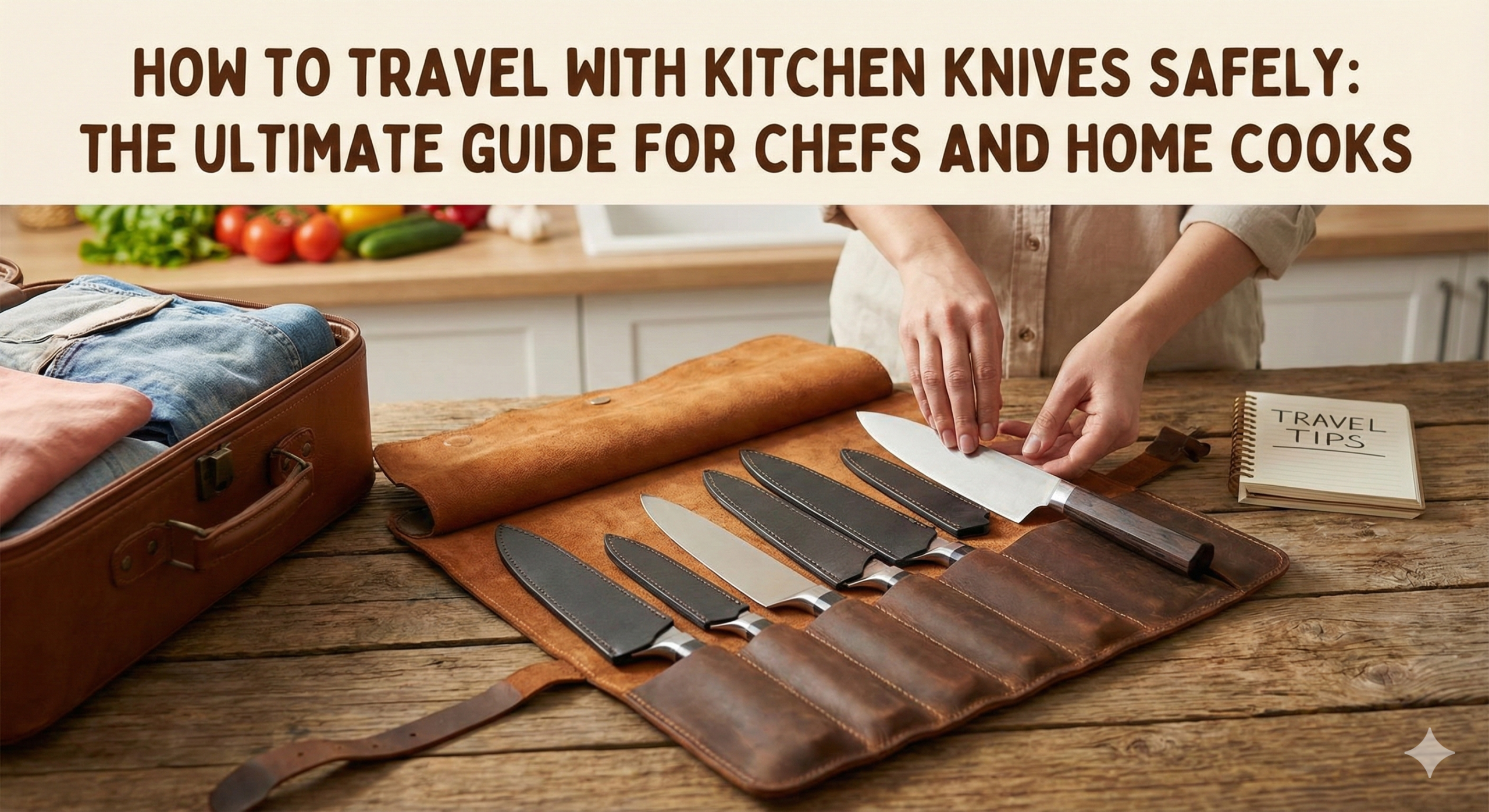
For the traveling culinary professional or the serious enthusiast, the knife roll is an iconic, non-negotiable piece of gear. It is a dedicated bag featuring individual slots for knife handles and a large, fold-down leather or canvas flap to cover the blades. The entire apparatus is then rolled up like a burrito and secured with heavy buckles or leather straps.
A high-quality knife roll cinches down incredibly tight, ensuring that the knives cannot slide out of their designated slots during the violently rough handling of modern air travel. Materials matter significantly here:
- Waxed Canvas: Highly durable, naturally water-resistant, lightweight, and relatively affordable. A favorite among young chefs.
- Full-Grain Leather: The ultimate luxury option. It offers superior puncture resistance and ages beautifully, but adds significant weight to your luggage.
- Ballistic Nylon (Cordura): The most rugged, modern option. It is practically tear-proof and very easy to wash if it gets stained with food.
If you are actively looking to purchase one, read our curated guide on the absolute best knife bags for chefs.
3. The Hard Case (For Extreme Travel)
If you are transporting extremely fragile ceramic knives, or incredibly high-hardness Japanese steel (HRC 62-65) that is prone to shattering, a soft canvas roll might not provide enough structural rigidity against a 50-pound suitcase being dropped on top of it.
Hard cases, typically made of high-impact ABS plastic with customizable “pluck-and-pull” foam inserts (virtually identical to Pelican camera cases), offer ultimate crush-proof, waterproof protection. They are bulky, but they guarantee your blades will survive even the most careless baggage handling systems.

Top Travel Pick: Waxed Canvas Heavy Duty Knife Roll
Holds 10 knives, naturally water-resistant, features a heavy-duty zipper pouch for tasting spoons and tweezers, and utilizes industrial brass buckles for ultra-secure travel.
Check Availability on AmazonThe Protocol: A Step-by-Step Guide to Packing Knives for a Flight
Follow this exact, chef-approved protocol to ensure your expensive knives arrive structurally intact, completely rust-free, and ensure that absolutely no baggage handlers are inadvertently injured during transit.
Step 1: Deep Clean and Bone Dry
Moisture is the ultimate enemy of a traveling knife, especially in the wildly fluctuating temperatures of an airplane’s unpressurized cargo hold (which can cause severe condensation). Wash your knives meticulously and dry them until they are bone dry. If you own highly reactive carbon steel blades (like those we extensively discuss in Stainless vs Carbon Steel), you must apply a thin, even layer of food-safe mineral oil or traditional Japanese Camellia oil to the entire blade to prevent flash rusting during the flight.
Step 2: The Rust Prevention Wrap (VCI Paper)
If you are traveling to a highly humid, tropical environment or taking a long-haul international flight, professional chefs take an extra step. Wrap the oiled blade in VCI (Volatile Corrosion Inhibitor) paper. This specialized industrial paper emits a safe, invisible vapor that settles on the metal and actively prevents rust from forming in damp, salty air.
Step 3: Apply Solid Edge Protection
Slide every single knife securely into a hard plastic edge guard or a wooden saya. If the guard feels even slightly loose, securely wrap a thick rubber band around the guard and the handle, or use a small piece of blue painter’s tape to lock it in place. Never use heavy duct tape directly on the steel blade, as the sticky chemical residue is an absolute nightmare to clean off later and can ruin the blade’s finish.
Step 4: Secure the Blades in the Roll
Place the sheathed knives deeply into the individual slots of your canvas or leather knife roll. Crucial technique: Alternate the direction of the handles (handle up, handle down, handle up) to distribute the physical bulk evenly, preventing the roll from becoming lopsided and unwieldy. Flap the protective cover down, roll the bag as tightly as physically possible, and buckle it aggressively. Shake the roll vigorously; if you hear any clinking or metal-on-metal sliding, it is too loose. Unroll and repack it tighter.
Step 5: The “Suitcase Sandwich” Method
Never place your fully packed knife roll at the very top, the very bottom, or against the hard outer shell of your suitcase. You must create a shock-absorbing “sandwich.” Place a thick layer of soft clothing (like sweaters or jeans) on the bottom of the suitcase. Lay your knife roll flat in the dead center. Then, pack another thick layer of clothing directly on top of it. This provides massive, 360-degree shock absorption against the brutal drops, kicks, and throws your luggage will inevitably endure on the tarmac.
Step 6: Utilize a TSA-Approved Lock
While locking your luggage is not strictly legally required just because you are transporting knives, utilizing a sturdy TSA-approved padlock is a highly intelligent move. It deters opportunistic theft of your valuable culinary gear and ensures the suitcase zipper doesn’t accidentally burst open under pressure, potentially spilling your expensive, sharp cutlery onto a public baggage carousel.
Road Trips, Camping, and RVs: Safety in Motion
Traveling by car, truck, or RV obviously offers infinitely more freedom than flying, but it comes with its own unique set of severe risks. In the terrifying event of a sudden, hard stop or a vehicular accident, a heavy, loose chef’s knife can instantly become a lethal, high-velocity projectile inside the cabin.
The Hard Box Method for Camping
If you are heading out for a rugged camping trip, a dedicated hard plastic box (such as a clean tackle box or a heavy-duty mechanic’s toolbox) is vastly superior to a soft canvas roll. It keeps the knives completely isolated from heavy cast-iron Dutch ovens, axes, and other camping gear that could crush a soft bag. If you are bringing specialized outdoor processing tools, such as the heavy survival blades covered in our Fallkniven S1 review, ensure they are securely snapped into their distinct Kydex or leather sheaths before placing them in the box.
The Golden Rule of Car Travel: Avoid the Glove Box
You should never, ever store a large kitchen knife in the glove compartment, the center console, or the side door pocket of your vehicle. If you are pulled over by law enforcement for a routine traffic stop, nervously reaching for your vehicle registration near a 10-inch, razor-sharp butcher’s blade can instantly escalate the situation. Keep all culinary knives securely packed away in the trunk, the truck bed, or the very back of the vehicle, clearly packed alongside other obvious camping and cooking gear.
RV and Van-Life Storage Solutions
For those living the RV or Van-life, standard kitchen magnetic knife strips are often a terrible idea. The constant, heavy road vibration and sudden potholes will eventually cause heavy knives to sheer off the magnet and fall. We strongly recommend utilizing deep drawer organizers with physical “lock-in” features or heavy-duty travel edge guards that stay on the blades inside the drawer. Review our creative tips on small kitchen storage for excellent, vibration-proof RV-friendly ideas.
Marine Travel (Boats and Yachts)
If you are taking your knives on a boat, you must realize that highly corrosive, salty sea air will destroy a carbon steel knife in a matter of hours. If you are traveling by sea, leave the reactive carbon steel at home and only pack highly rust-resistant stainless steel blades (like Victorinox or Dexter-Russell). Always wipe them down with fresh water and dry them completely after use on a vessel.
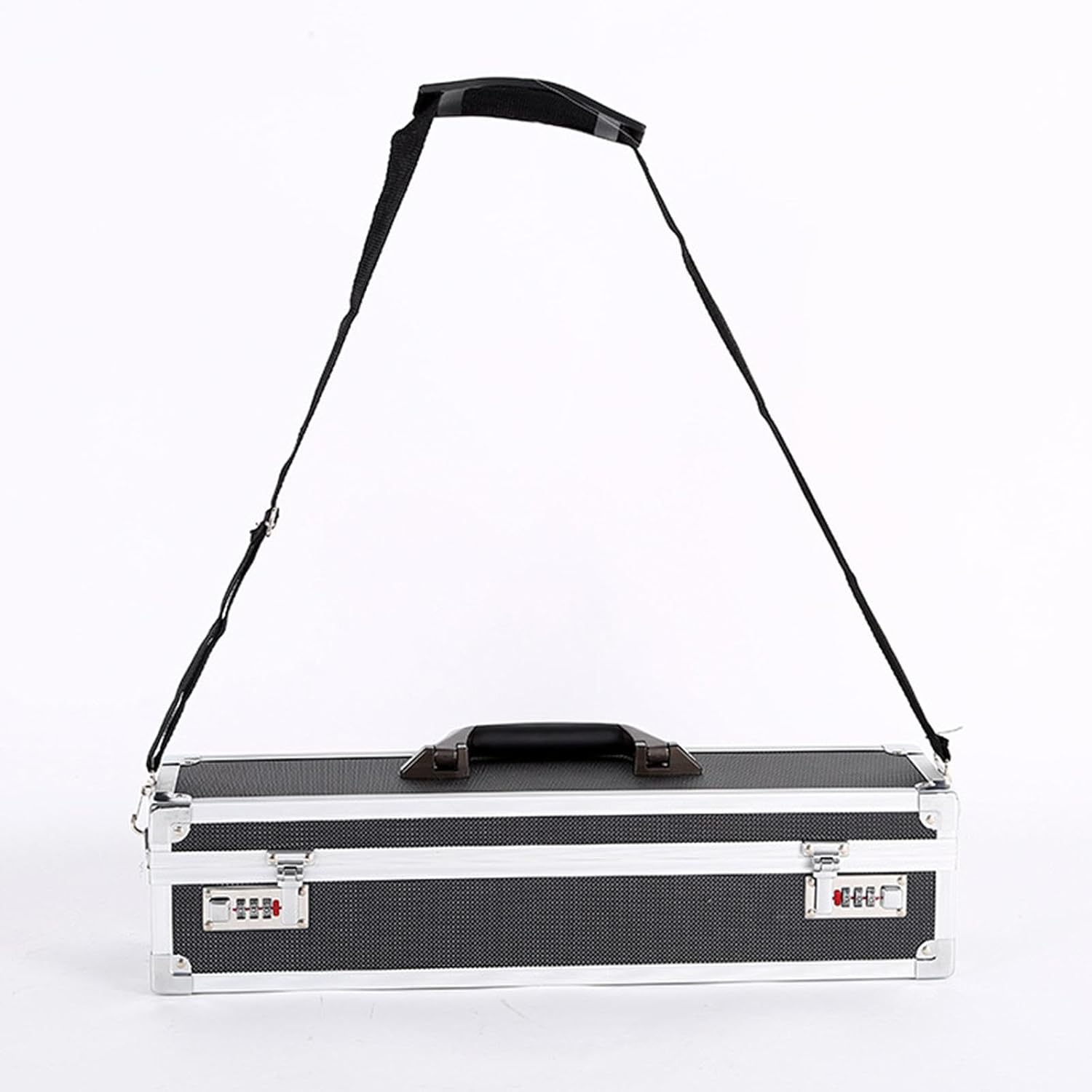
Highly Recommended: Pelican-Style Hard Shell Knife Carry Case
Offers absolute, crushproof, watertight, and dustproof protection. Perfect for rugged camping, boating, or checking irreplaceable custom knives under a plane.
Check Price on AmazonThe “Travel Trio”: Exactly Which Knives Should You Actually Bring?
Unless you are catering a massive 200-person wedding, you absolutely do not need to pack your entire 15-piece hardwood knife block. Traveling light drastically reduces the risk of loss, damage, and theft. Professional traveling chefs generally rely on the “Holy Trinity” of travel knives, which can accomplish 99% of all culinary tasks.
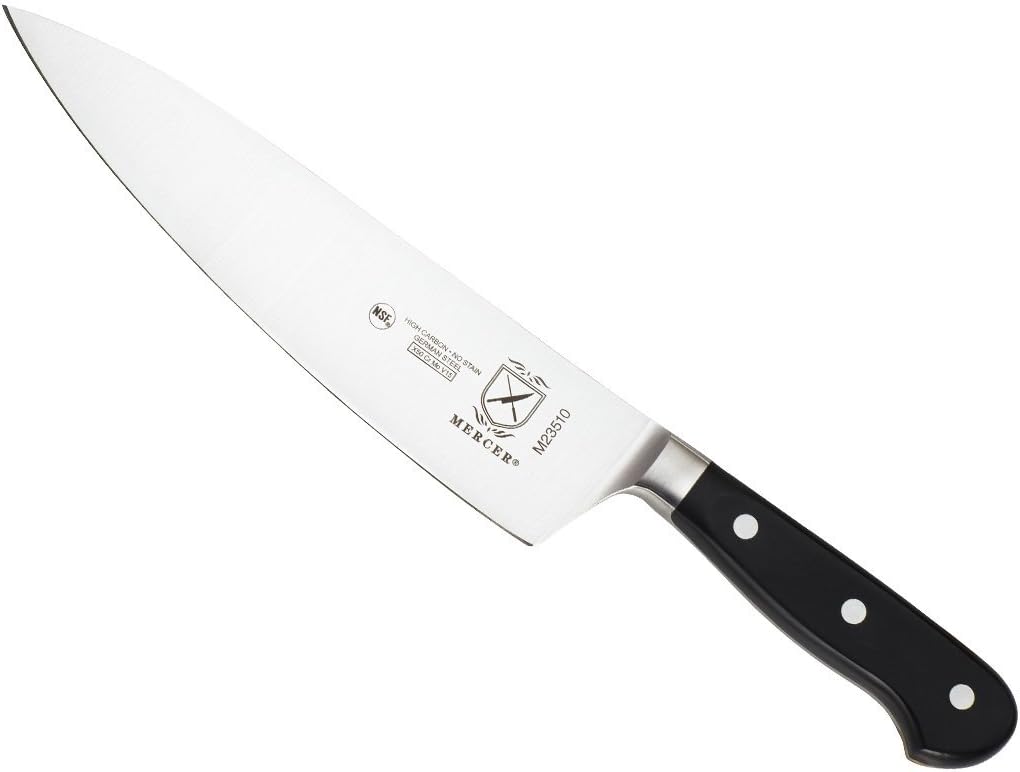
- 1. The Indestructible Workhorse: Bring one highly versatile 8-inch or 9-inch Chef Knife, or a Santoku. This single blade will handle 90% of your daily prep, from dicing onions to slicing chicken. (If you aren’t sure which one suits you better, compare their exact functionalities in our Chef vs Santoku guide).
- 2. The Nimble Detailer: A small 3.5-inch Paring knife or a 5-inch Utility knife. This is mandatory for delicate, off-board tasks performed in the hand, like peeling apples, hulling strawberries, or meticulously deveining shrimp.
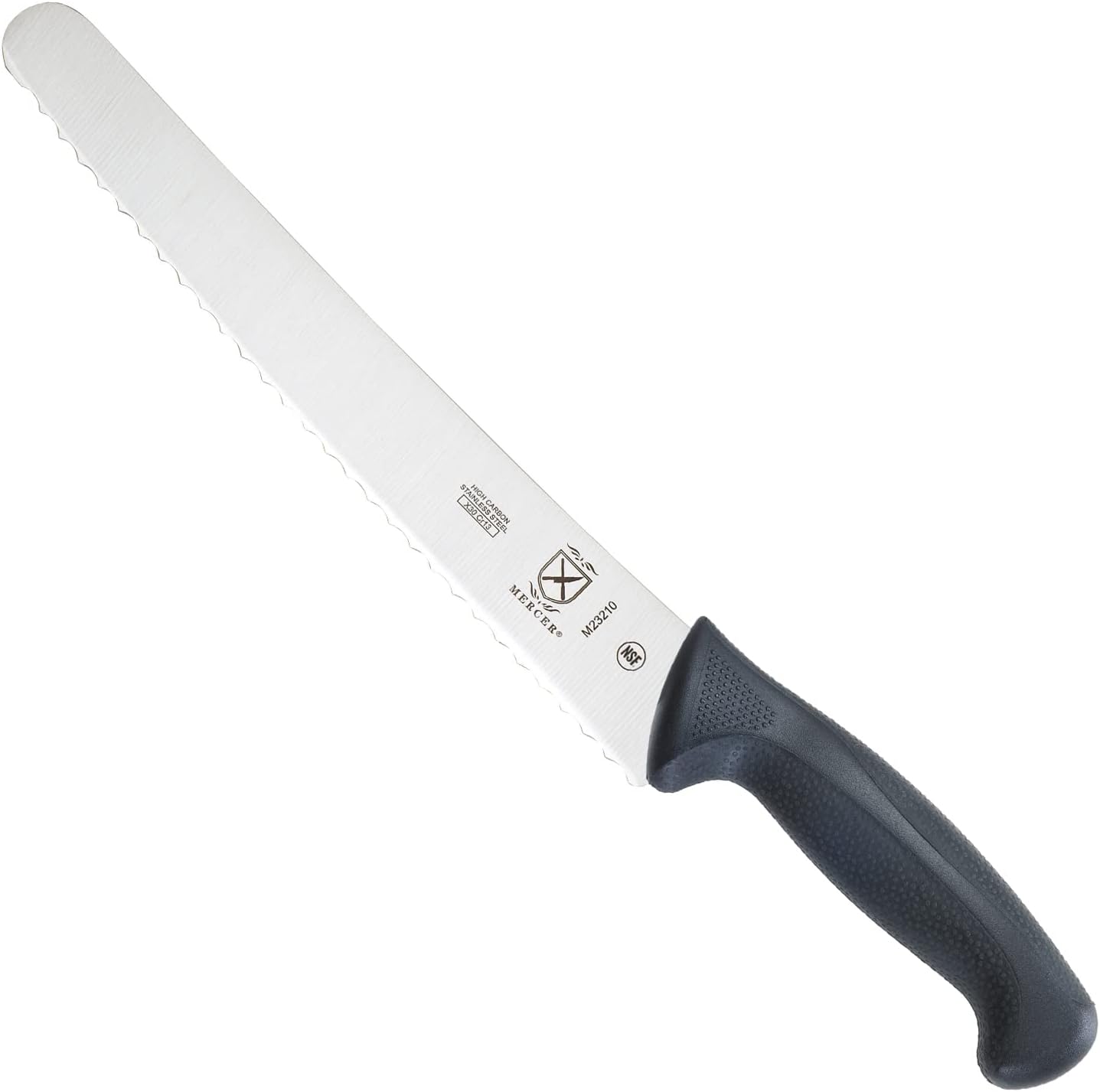
- 3. The Bread & Tomato Slayer: A serrated knife is absolutely essential. A straight edge will struggle and slip on the hard crust of local artisan sourdough bread or the tough, slippery skin of ripe tomatoes. Read exactly why you need one in our best bread knife reviews.
Knives You Should Leave at Home
Leave the Fragile Blades Behind. Unless you are specifically hired to break down whole tuna or prepare delicate sushi, leave your hyper-expensive, single-bevel Yanagiba or your ultra-thin, highly brittle ceramic knives at home. Ceramic blades are notorious for snapping during transit. Instead, bring highly durable, forgiving knives that can take a literal beating, such as heavy German steel knives (like Wüsthof or Zwilling), which will happily survive an encounter with an awful glass cutting board.
Maintenance on the Road: Keeping Them Razor Sharp
There is absolutely no point in carefully traveling with high-end culinary knives if you allow them to get dull halfway through your vacation and possess no way to fix them. While you likely won’t want to lug a heavy, three-piece set of water whetstones in your suitcase, you desperately need a lightweight maintenance plan.
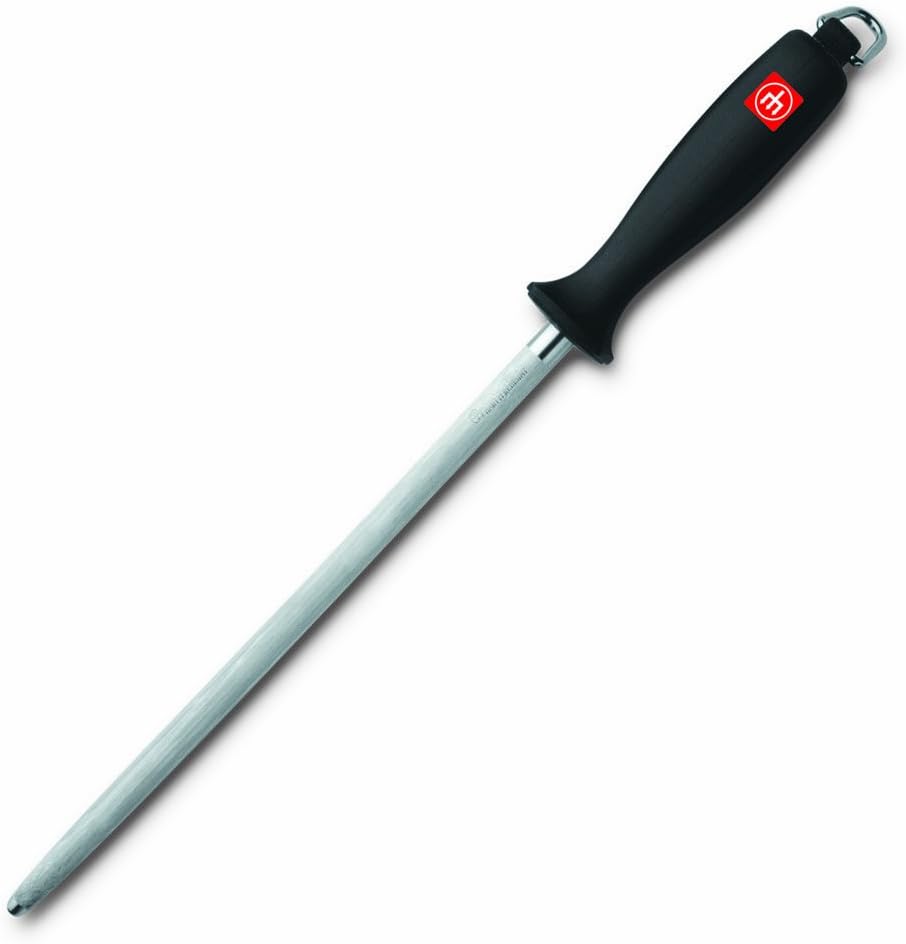
The Travel Honing Rod: A short (8-inch or 10-inch) ceramic honing rod is exceptionally lightweight and fits perfectly into the slim pockets of a knife roll. While it doesn’t remove large amounts of metal to create a new edge like a stone does, a few quick swipes before prep will realign the microscopic edge and keep the knife biting aggressively.
Portable Diamond Sharpeners: For longer trips (like a month-long Airbnb stay), consider packing a small, pocket-sized folding diamond sharpener (like a Fallkniven DC4 or a DMT Diafold). We compare various excellent, space-saving options in our best knife sharpener guide.
The MacGyver Emergency Strop: If you are truly in a bind, desperate, and tight on space, you can use the unglazed, rough ceramic ring on the bottom of a standard coffee mug to hone a dull edge. You can then use an old leather belt (the rough suede side) as a makeshift strop to polish the burr off and return the knife to a working sharpness.
The “Airbnb Survival Kit”: Beyond the Knives
Bringing your own sharp knives to a vacation rental solves only half of the terrible kitchen problem. The other half of the nightmare is what you are forced to cut on.
Many poorly equipped vacation rentals or basic hotel kitchenettes provide terrifying glass, marble, or ultra-hard bamboo cutting boards. Using your premium $200 Japanese steel knife on a glass cutting board will instantly, irrevocably destroy the delicate edge on the very first slice. It will flatten the steel and cause massive micro-chipping.
The Solution: Always pack two thin, flexible plastic cutting mats. They weigh absolutely nothing, take up zero space by laying flat against the back of your suitcase, and guarantee that your precious knives will have a soft, forgiving, hygienic surface to cut on, regardless of where you are in the world. Tossing in a cheap plastic bench scraper to easily move chopped vegetables from the board to the pan is also a massive quality-of-life upgrade for a traveling cook.
Protecting Your Investment: Insurance and Liability
If you are a professional chef traveling with a custom leather roll containing $2,000 to $5,000 worth of rare, hand-forged Japanese steel, packing them safely in a suitcase is not enough. You must prepare for the devastating reality that airlines frequently lose luggage entirely.
- Document Everything: Before leaving for the airport, lay out every knife you are packing. Take high-resolution photos of the knives, their makers’ marks, and the packed bag. Save any digital receipts or appraisals you have for custom blades to a cloud folder.
- Airline Liability Limits: Be aware that commercial airlines have strict, relatively low monetary caps on what they will reimburse for lost domestic and international baggage (often capping around $3,800 domestically, and much lower internationally under the Montreal Convention). If your knife collection exceeds this, the airline will not make you whole.
- Specialized Insurance: If you travel frequently for catering or pop-up events, check if your renter’s or homeowner’s insurance policy covers “high-value items off-premises.” Alternatively, many professional culinary associations offer specialized, affordable inland marine insurance policies designed specifically to cover expensive tools of the trade while traveling.
DIY Emergency Packing: The Cardboard Saya Method
What happens if you buy a beautiful local knife at a market in France, or you simply lost your plastic edge guards on a trip and need to pack your blades for the flight home tomorrow morning? Do not panic. You can easily craft a highly effective, safe DIY sheath using trash found in your hotel room.
- Find Cardboard: Take an empty cereal box, a shipping box, or stiff magazine backing.
- Measure and Fold: Cut a rectangle of cardboard that is slightly longer than your blade and twice as wide. Fold the cardboard perfectly in half down the middle, creating a sturdy crease.
- Seat the Blade: Place the knife blade inside the folded cardboard so the sharp cutting edge rests firmly and safely against the folded crease.
- Tape Aggressively: Using duct tape, packing tape, or strong medical tape, aggressively tape the open side and the tip end of the cardboard shut. Ensure the tape is tight so the knife cannot slip out. Important: Make absolutely sure the sticky side of the tape never touches the steel blade itself.
This simple DIY method provides surprisingly robust protection and fully satisfies TSA requirements for securely wrapping sharp objects in checked luggage.
Summary Comparison: Which Packing Method is Best for Your Trip?
| Packing Method | Protection Level | Luggage Space Required | Ideal Use Case Scenario |
|---|---|---|---|
| Waxed Canvas Knife Roll | High (Great edge & handle protection) | Medium (Rolls up efficiently) | Professional Chefs, Serious Home Cooks checking 3-6 knives. |
| Loose Edge Guards Only | Medium (Blade protected, handle exposed) | Very Low | Bringing 1 or 2 knives carefully wrapped inside thick clothing. |
| Plastic Hard Case (Pelican) | Maximum (Crushproof & Waterproof) | Very High (Bulky, takes up suitcase room) | Traveling with high-end brittle Japanese knives, or rough maritime/truck travel. |
| DIY Cardboard & Tape | Low/Medium (Prevents cuts, lacks crush protection) | Low | Last-minute packing emergencies or bringing home a souvenir knife. |
Expert Frequently Asked Questions (FAQ)
Can I legally bring a chef knife in my carry-on bag if it is very small?
No. TSA and international aviation regulations strictly and universally prohibit knives of any blade length (including tiny paring knives or butter knives) in the cabin via carry-on luggage. They must be securely sheathed and packed exclusively in your checked baggage. Attempting to bring them through security will result in permanent confiscation.
Do I need to officially declare my kitchen knives when checking my luggage?
Generally, you do not need to verbally declare standard personal kitchen knives to airline ticketing agents for domestic US flights, provided they are properly sheathed inside the checked bag to prevent injury to TSA inspectors. However, for international travel, you should meticulously check the specific customs and import regulations of your destination country to ensure you aren’t violating local offensive weapons laws (like those in the UK).
How do I protect delicate knife tips from snapping or bending during rough travel?
You must use a hard plastic edge guard or a custom-fit wooden saya that covers the tip completely and extends slightly past the metal point. If using a soft knife roll, ensure the heavy canvas flap covers the tips securely before rolling. For extreme, foolproof protection, carefully press a small piece of natural wine cork onto the very tip of the knife before sliding it into its sheath. This adds an incredible extra layer of shock absorption against drops.
What exactly should I do if my expensive knives are stolen from my checked luggage?
You must file an official, documented claim with the airline’s baggage office immediately, ideally before physically leaving the airport premises. Because standard airline liability limits are often far too low to cover a premium, fully stocked knife roll, you should proactively purchase specialized travel insurance or inland marine insurance that specifically covers high-value professional tools of the trade if you travel frequently.
Final Verdict: Pack Smart, Prep Anywhere
Traveling extensively with your personal kitchen knives absolutely does not have to be a stressful, anxiety-inducing ordeal. By deeply respecting the physics of sharp, heavy steel and strictly adhering to the unbending laws of aviation security, you can confidently bring your favorite, reliable tools wherever your culinary adventures take you. The sheer joy, comfort, and safety of cooking a massive holiday meal for your extended family using your own meticulously maintained Wusthof or Victorinox blade is well worth the extra ten minutes of careful packing time.
Always remember the golden rule of culinary travel: Sheath it securely, Roll it tightly, and Check it legally. Never compromise on edge protection, always ensure your knives are bone dry before packing, and always verify that your checked bag is securely locked with a TSA-approved padlock.
Ready to massively upgrade your culinary travel setup and ditch the terrible Airbnb knives forever? Secure your beloved blades with our top recommended professional knife roll below.
Editor’s Choice: Asaya Chef Knife Roll Bag (10 Slots)
Professional grade, highly water-resistant waxed canvas, featuring a heavy-duty zippered pouch for small tools and unyielding industrial brass buckles for the ultimate peace of mind.
Check Availability on Amazon