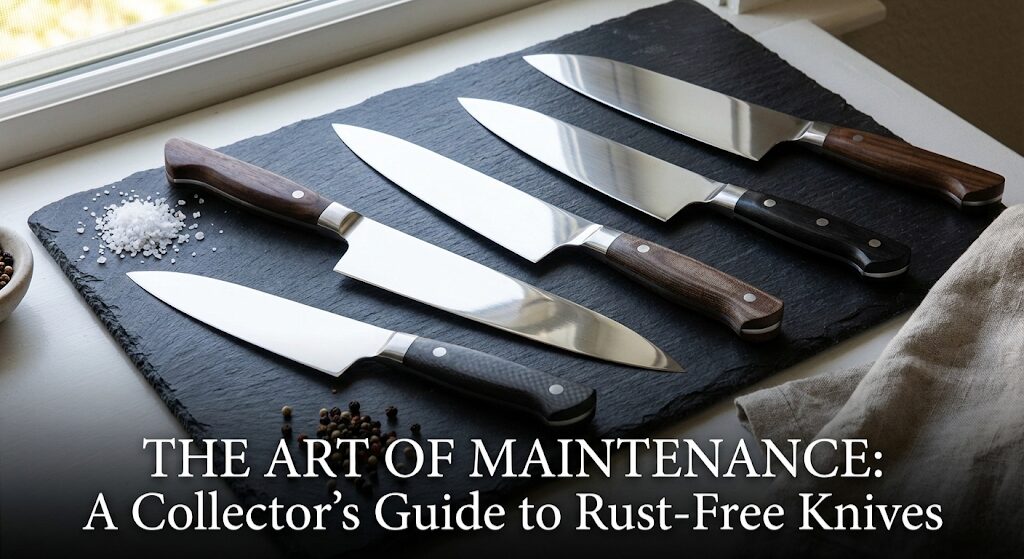
How to Prevent Rust on Knives: The Complete 2026 Guide
Few things are as disheartening to a culinary enthusiast, an outdoorsman, or an everyday carry (EDC) collector as pulling a prized blade from its sheath or block only to find the creeping, destructive bloom of orange rust. A knife is one of humanity’s oldest and most essential tools, but the very iron that gives steel its strength also carries an inherent weakness: a relentless chemical desire to return to its natural, oxidized state.
Learning how to prevent rust on knives is not just about aesthetics; it is a fundamental aspect of blade ownership. Rust degrades the edge geometry, weakens the structural integrity of the steel, and can harbor harmful bacteria in a culinary setting. Whether you are wielding a delicate Japanese high-carbon Gyuto, a rugged survival blade, or a high-end European chef’s knife, corrosion is an ever-present threat.
In this comprehensive, deep-dive guide, we will break down the metallurgical science behind oxidation, outline bulletproof daily maintenance routines, and explore advanced chemical coatings to ensure your blades remain pristine, sharp, and rust-free for generations.
1. The Science of Knife Rust: What Causes Corrosion?
To defeat an enemy, you must first understand it. Rust is not a biological infection; it is a chemical reaction. Specifically, it is the electrochemical process of oxidation. Steel is an alloy comprised primarily of iron and carbon. When iron is exposed to the holy trinity of corrosion—oxygen, water, and an electrolyte (like salt or acid)—a chemical reaction occurs that creates iron oxide, commonly known as rust.
This process is highly destructive because iron oxide molecules are physically larger than the iron atoms they replace. As rust forms, it expands, causing the metal surface to flake, pit, and peel away, exposing fresh iron underneath to continue the cycle. Unlike the stable patina that protects copper or bronze, red iron oxide provides zero structural protection. If left unchecked, it will literally eat your knife alive, destroying the microscopic apex of your sharpened edge long before it destroys the spine.
Understanding this chemical triangle (Iron + Water + Oxygen) dictates all rust prevention strategies. Because you cannot remove the iron from the steel, and you cannot easily remove oxygen from the atmosphere, rust prevention relies entirely on removing water and electrolytes or creating a barrier between them and the steel.
2. Carbon Steel vs. Stainless Steel: Understanding Vulnerability
Not all knives rust at the same rate. The metallurgical composition of your blade dictates how vigilant you need to be. The primary dividing line in the knife world is between carbon steel and stainless steel.
If you have ever read a detailed breakdown of the differences between stainless vs carbon steel, you know that the secret ingredient in rust resistance is Chromium.
For a steel to be classified as “stainless,” it must contain at least 10.5% chromium by mass. When exposed to oxygen, this chromium reacts instantly to form a microscopically thin, invisible layer of chromium oxide. This “passive layer” seals the iron off from moisture and oxygen. If the blade is scratched, the chromium oxide layer instantly reforms, self-healing the barrier.
However, “stainless” means it stains less, not stain-free. Even high-end stainless steels like VG-10, S35VN, or X50CrMoV15 will rust if subjected to extreme abuse, such as sitting in salty water for days. High-carbon steels (like 1095, Aogami Super, or Shirogami), which lack significant chromium, possess no such passive layer. They can begin to form flash rust within 15 minutes of exposure to moisture.
| Steel Type | Chromium Content | Rust Vulnerability | Maintenance Required |
|---|---|---|---|
| High-Carbon (e.g., 1095, White #2) | < 1% | Extremely High | Must wash/dry immediately, regular oiling required. |
| Tool Steel (e.g., D2, CruWear) | 11-12% (Semi-Stainless) | Moderate | Needs wiping after use, occasional oiling. |
| Standard Stainless (e.g., 440C, AUS-8) | 13-15% | Low | Standard washing/drying, oiling rarely needed. |
| Super Stainless (e.g., LC200N, MagnaCut) | 14-16% + Nitrogen | Almost Immune | Practically zero, highly resistant to saltwater. |

3. The Number One Enemy: Moisture and Environmental Factors
The cardinal rule of knife care is brutally simple: water is the enemy. It is the catalyst that allows the electrochemical oxidation process to occur. But water doesn’t just come from the sink. Environmental moisture plays a massive role in the lifespan of your blades.
Ambient humidity is a silent killer of steel. If you live in a coastal environment where the air is thick with humidity and aerosolized ocean salt, your knives are under constant chemical attack, even while sitting in a drawer. Salt is an aggressively conductive electrolyte that hyper-accelerates the rusting process.
Similarly, rapid temperature changes can cause condensation. Taking a cold tactical knife out of an air-conditioned car and stepping into a humid summer forest will cause microscopic water droplets to condense directly onto the cold steel. If the blade is put away in a leather sheath without being wiped down and warmed up, rust is guaranteed to form within hours.
4. Daily Maintenance: The Wash and Dry Protocol
Preventing rust starts at the sink. For kitchen knives, developing a strict muscle memory for the “Wash and Dry Protocol” is the single most effective way to keep your blades pristine.
Step 1: Wash Immediately. Never leave a dirty knife in the sink. The acidic juices from tomatoes, onions, or citrus will attack the steel immediately. Wash the blade with warm, soapy water and a soft sponge. Never use abrasive scouring pads, as these will scratch the steel and create microscopic valleys where water can hide and breed rust.
Step 2: Never Use the Dishwasher. This cannot be overstated. As detailed in the science behind dishwasher detergent and heat causing rust, the dishwasher is an active torture chamber for steel. The high-heat drying cycle, combined with the caustic, abrasive alkaline detergents, strips away protective oxides and aggressively pits the blade.
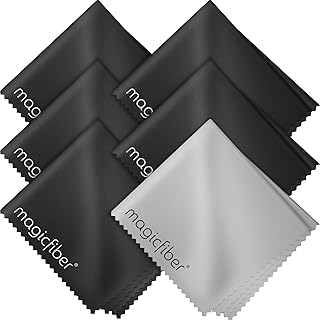
Step 3: Hand Dry Completely. Do not let knives air dry on a rack. Wipe the blade down with a highly absorbent microfiber towel. Pay special attention to the area where the blade meets the handle (the bolster or tang), as water loves to hide in these tight crevices.
5. Oil is Your Best Friend: Lubrication and Protective Coatings
Once your knife is immaculately clean and dry, you must apply an artificial barrier to block atmospheric oxygen and humidity. This is where oiling comes into play.
For kitchen knives, you must use food-safe oils. Do not use cooking oils like olive oil, canola oil, or vegetable oil. These organic oils oxidize over time, turning rancid, sticky, and foul-smelling, which will ruin the flavor of your food and attract bacteria.
- Mineral Oil: The undisputed king of kitchen knife care. It is petroleum-based, highly refined, 100% food-safe, inert (will never go rancid), and incredibly inexpensive. A light coat wiped across the blade forms an excellent moisture barrier.
- Tsubaki (Camellia) Oil: The traditional choice of Japanese sushi chefs. Extracted from the seeds of the camellia flower, this light oil is virtually odorless and tasteless, providing a fantastic, non-sticky coating for delicate carbon steel blades like Yanagibas.
- Beeswax Blends: For knives that are going into longer storage, blending mineral oil with pure beeswax creates a thicker, paste-like barrier that won’t evaporate or run off the blade over time.
6. The Forced Patina: A Preemptive Strike for Carbon Steel
If you own a carbon steel knife (like an Opinel pocket knife, a Japanese Nakiri, or an old-school butcher’s cleaver), it is going to change color. You can either let the acidic foods you cut dictate how it looks, or you can take control of the process by creating a “forced patina.”
A patina is a form of stable oxidation (magnetite or black iron oxide). Unlike red rust (ferric oxide), a patina does not flake or eat into the steel. Instead, it forms a protective, microscopic crust over the raw iron, acting as a shield that prevents the destructive red rust from forming.
To force a patina, you intentionally expose the clean, dry blade to a mild acid. Popular methods include:
- The Vinegar Soak: Submerging the blade in warm, distilled white vinegar for 15-30 minutes creates a uniform, dark grey protective layer.
- The Mustard Wash: Dabbing yellow mustard onto the blade creates a mottled, tiger-stripe aesthetic due to the uneven application of the acid.
- The Hot Coffee method: Soaking the blade in hot, heavily brewed instant coffee for several hours yields an incredibly dark, almost black, protective finish.
After forcing a patina, wash the blade with baking soda to neutralize the acid, dry it, and oil it immediately.

7. Long-Term Knife Storage: Safes, Blocks, and Sheaths
How you store your knives when they aren’t in use is critical. A perfectly oiled knife can still succumb to rust if placed in a hostile micro-environment.
Kitchen Blocks vs. Magnetic Strips: Traditional wooden knife blocks can be rust traps. If you insert a slightly damp knife into a deep, dark wooden slot, the moisture has nowhere to evaporate. The wood absorbs the water, keeping the blade in a humid environment. Magnetic knife strips are far superior for rust prevention. They allow the blade to exist in open-air circulation, ensuring rapid evaporation of any residual moisture.
Leather Sheaths: For outdoor and hunting knives, leather sheaths look beautiful but are notoriously bad for long-term storage. Leather naturally absorbs and holds moisture from the air. Furthermore, many leathers are tanned using acidic chemicals that will corrode steel over time. If storing a knife for the off-season, remove it from the leather sheath, oil it heavily, wrap it in wax paper, and store it separately.
For large collections kept in safes or drawers, always utilize silica gel desiccant packs. These inexpensive packets aggressively absorb ambient humidity, keeping the air inside the storage container bone dry.
8. Preventing Rust on Outdoor and Tactical Knives
The rules of engagement change when you leave the kitchen. Tactical, survival, and hunting knives face extreme environmental stressors: rain, mud, blood, and extreme temperature fluctuations. Many top-tier survival knives are made from 1095 high-carbon steel because of its incredible toughness and ease of field sharpening, but it rusts aggressively.
As noted in field tests regarding preventing rust on 1095 steel in the field, outdoor maintenance requires dedicated chemical protectants. Because these knives are rarely used for food prep, you are not restricted to food-safe mineral oils.
Advanced Protectants:
- Renaissance Wax: Originally developed for museum archivists, this micro-crystalline wax creates an incredibly durable, hard-shell barrier against the elements that won’t attract dust or lint like wet oils do.
- Tuf-Glide / Marine Tuf-Cloth: This is a dry-film rust inhibitor. You wipe it on, the carrier liquid evaporates, and it leaves behind a bonded, dry protective shield that repels water and grit.
- Ballistol: A non-toxic, multi-purpose oil that emulsifies with water, neutralizes mild acids, and protects steel, leather, and wood simultaneously.

9. Early Intervention: What to Do When Rust Appears
Despite your best efforts, you may one day find a speck of orange on your beloved blade. Do not panic. Early-stage rust is entirely reversible without damaging the knife’s geometry. The key is to act immediately before the surface rust eats deeper into the steel to cause pitting.
For light surface rust, avoid harsh abrasives like sandpaper or steel wool, which will ruin the knife’s satin or mirror finish. Instead, use chemical breakdown methods. As outlined in guides on removing rust with baking soda and vinegar, a gentle acidic reaction is highly effective.
| Rust Severity | Removal Method | Process |
|---|---|---|
| Light / Orange Spots | Baking Soda Paste | Mix baking soda & water into a thick paste. Apply to rust, wait 10 mins, scrub with a cork or toothbrush. |
| Moderate / Crusty | White Vinegar Soak | Soak a paper towel in vinegar, wrap the blade for 30 mins. The acid dissolves the rust. Wash and scrub. |
| Heavy / Black Pitting | Rust Erasers / Flitz Polish | Use a specialized rubberized rust eraser block, followed by Flitz metal polish to smooth the microscopic pits. |
Always remember: the moment you remove rust, you are exposing raw, highly vulnerable steel. You must wash, dry, and heavily oil the blade immediately after the restoration process.
10. The Geography of Rust: Coastal Living and Humidity Control
Where you live drastically impacts your rust prevention strategy. A collector in the dry heat of Arizona might get away with leaving a high-carbon blade unoiled on a desk for months. That same blade, left on a kitchen counter in Miami or Hawaii, would develop an orange fuzz in a matter of days.
If you live within 50 miles of an ocean, the aerosolized salt in the air is your greatest enemy. Salt dramatically increases the electrical conductivity of moisture on the blade, supercharging the oxidation process. In these environments, standard mineral oil may not be enough. You should lean heavily into micro-crystalline waxes (like Renaissance Wax) for storage, and ensure your kitchen area is well-ventilated or air-conditioned to pull humidity out of the air.
Furthermore, coastal residents should seriously consider investing in premium marine-grade stainless steels. Steels like LC200N, Vanax, or MagnaCut offer unprecedented corrosion resistance that can withstand near-constant exposure to salty, humid air without breaking a sweat.
11. Cutting Board Science: Acidic Foods and Immediate Care
The very act of using a knife exposes it to corrosive elements. While we often focus on water, acidic foods are just as dangerous. Lemons, limes, tomatoes, onions, and garlic all contain acids (citric acid, malic acid, sulfenic acid) that react aggressively with steel.
When you are prepping a large meal, it is common to chop an onion and set the knife down on the board while you tend to a pan on the stove. If you are using a carbon steel knife, those five minutes are enough time for the acid to begin etching the steel. This etching weakens the microscopic teeth of the cutting edge, leading to premature dulling and rapid rusting.
The Pro-Kitchen Habit: Keep a slightly damp, clean towel next to your cutting board. The moment you finish slicing an acidic ingredient, give the blade a quick wipe on the towel to remove the acidic juices, followed by a swipe on a dry towel. This two-second habit prevents edge degradation and stops rust before it can even formulate.

12. Professional Rust Prevention Gear: Worth the Investment?
For casual home cooks, a $5 bottle of mineral oil and a clean towel are all you need to keep your knives rust-free. But for serious collectors holding thousands of dollars in custom EDC folders or heirloom Japanese culinary knives, investing in professional preservation gear provides immense peace of mind.
VCI (Volatile Corrosion Inhibitor) Paper & Bags: VCI technology is utilized by the military and aerospace industries. VCI materials emit a harmless, invisible, and odorless vapor that settles on the metal surface, forming a molecular barrier against moisture and oxygen. Storing a high-value knife inside a VCI bag guarantees it will not rust, even in a damp basement.
Camellia Oil Applicators: Instead of messy rags, many professionals use specialized microfiber applicator wands pre-loaded with high-grade oil. This ensures a microscopically thin, perfectly even coat is applied across the geometry of the blade without wasting expensive oil or leaving messy pools that attract dust.
Ultimately, rust prevention is a combination of discipline and the right chemistry. Respect the steel, keep it dry, keep it coated, and your knives will serve you—rust-free—for a lifetime.
Frequently Asked Questions
The Lifetime Commitment to Your Blade
Learning how to prevent rust on knives is a rite of passage for any serious cook, collector, or outdoorsman. It shifts your relationship with your tools from that of a mere consumer to an active caretaker. By understanding the chemical nature of oxidation, respecting the metallurgical differences between carbon and stainless steel, and instituting unshakeable daily habits of washing, drying, and oiling, you guarantee your blades will perform flawlessly for decades.
Rust is relentless, but it is entirely preventable. Equip yourself with the right knowledge, the proper maintenance oils, and a dry microfiber cloth, and you will never fall victim to the scourge of red iron oxide again.
Build Your Ultimate Knife Care Kit Today
Don’t wait until you spot orange pits on your expensive chef’s knife. Assemble a professional-grade knife care kit with mineral oil, rust erasers, and microfiber towels right now.
Shop Complete Knife Care Kits on Amazon