10 Best Skinning Knives for Deer: The Ultimate Field Dressing Guide (2025)
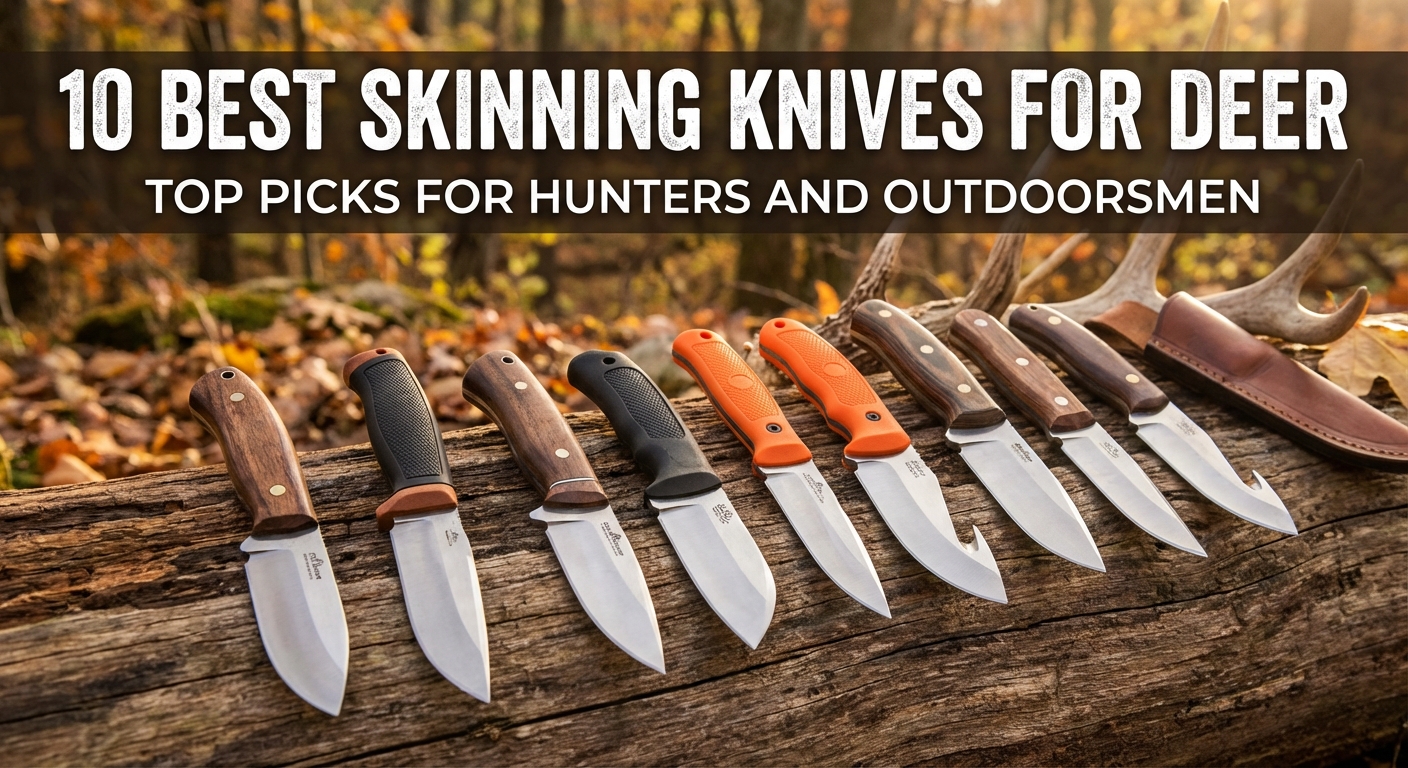
A clean harvest demands a precise tool. We’ve tested and analyzed the top blades on the market to help you find the perfect companion for your next hunt.
Introduction: The Importance of the Right Tool
Every hunter knows that the real work begins after the shot is fired. Field dressing and skinning a deer is a ritual that requires patience, skill, and, most importantly, the right equipment. Using a dull, cumbersome, or poorly designed knife can turn the joy of the harvest into a frustrating ordeal, potentially damaging the meat or the hide.
When selecting the 10 best skinning knives for deer, we aren’t just looking for sharpness. We are looking for edge retention, ergonomic handles that grip well when wet, and blade geometries specifically designed to separate hide from fascia without puncturing the gut. Whether you prefer the classic craftsmanship found in Buck Knives or the modern replaceable blade technology that has taken the industry by storm, this guide covers it all.
We have categorized these knives based on steel quality, handle materials, and overall field performance. From budget-friendly options that rival brands like M-Tech to premium steels similar to what you might find in a Kershaw Blur S30V review, we break down what works best for the whitetail woods.
Quick Comparison: Top Picks at a Glance
| Knife Model | Blade Type | Steel | Best For |
|---|---|---|---|
| Havalon Piranta-Edge | Replaceable | Surgical Steel | Precision & Speed |
| Buck 113 Ranger Skinner | Fixed Drop Point | 420HC | Classic Durability |
| Benchmade Hidden Canyon | Fixed Trailing | CPM-S30V | Premium Edge Retention |
| Outdoor Edge RazorPro | Hybrid/Replaceable | 420J2 | Versatility (Gut Hook) |
| ESEE Ashley Game Knife | Fixed Drop Point | 1095 Carbon | Bushcraft/Hunting Crossover |
Buying Guide: How to Choose a Deer Skinning Knife
Before diving into the specific reviews, it is essential to understand the anatomy of a great skinning knife. Unlike tactical knives—such as the SOG-TAC XR—hunting knives prioritize sweeping bellies and slicing geometry over piercing power.
1. Blade Shape: Drop Point vs. Trailing Point
For skinning, you generally want a deep belly. A trailing point or a swept skinner allows for long, sweeping strokes that separate large sections of hide efficiently. A drop point is more versatile, allowing you to work around joints and cartilage without accidentally piercing the stomach—a critical error that can spoil meat.
2. Steel Composition
The debate often settles between stainless steel and carbon steel.
- Premium Stainless (CPM-S30V, S90V): Excellent rust resistance and holds an edge for multiple deer. Similar to the performance seen in our Spyderco Caribbean review, these steels resist corrosion from blood and sweat.
- High Carbon (1095): Easier to sharpen in the field but requires oil to prevent rust. This is a favorite for survivalists, as seen in the ESEE JG3 review.
- Replaceable Blades: The modern solution. When the blade dulls, you swap it out. No sharpening required in the field.
3. Handle Ergonomics
Field dressing is messy. Blood, fat, and rain make handles slippery. Look for materials like Micarta, G10, or textured rubber (checking). A classic wood handle looks great but can become slick. If you are used to the grip on a tactical folder like the ZT Knife, you’ll appreciate the textured G10 scales found on modern hunting knives.
In-Depth Reviews: The 10 Best Skinning Knives
1. Havalon Piranta-Edge

The Havalon Piranta changed the game for skinning knives. Originally inspired by taxidermy scalpels, this knife uses replaceable surgical-steel blades. It is incredibly lightweight and offers the sharpest edge possible—because every time it dulls, you just snap on a new one.
Blade Material: Stainless Surgical (Replaceable)
Handle: ABS Plastic
|
Pros
|
Cons
|
2. Buck 113 Ranger Skinner
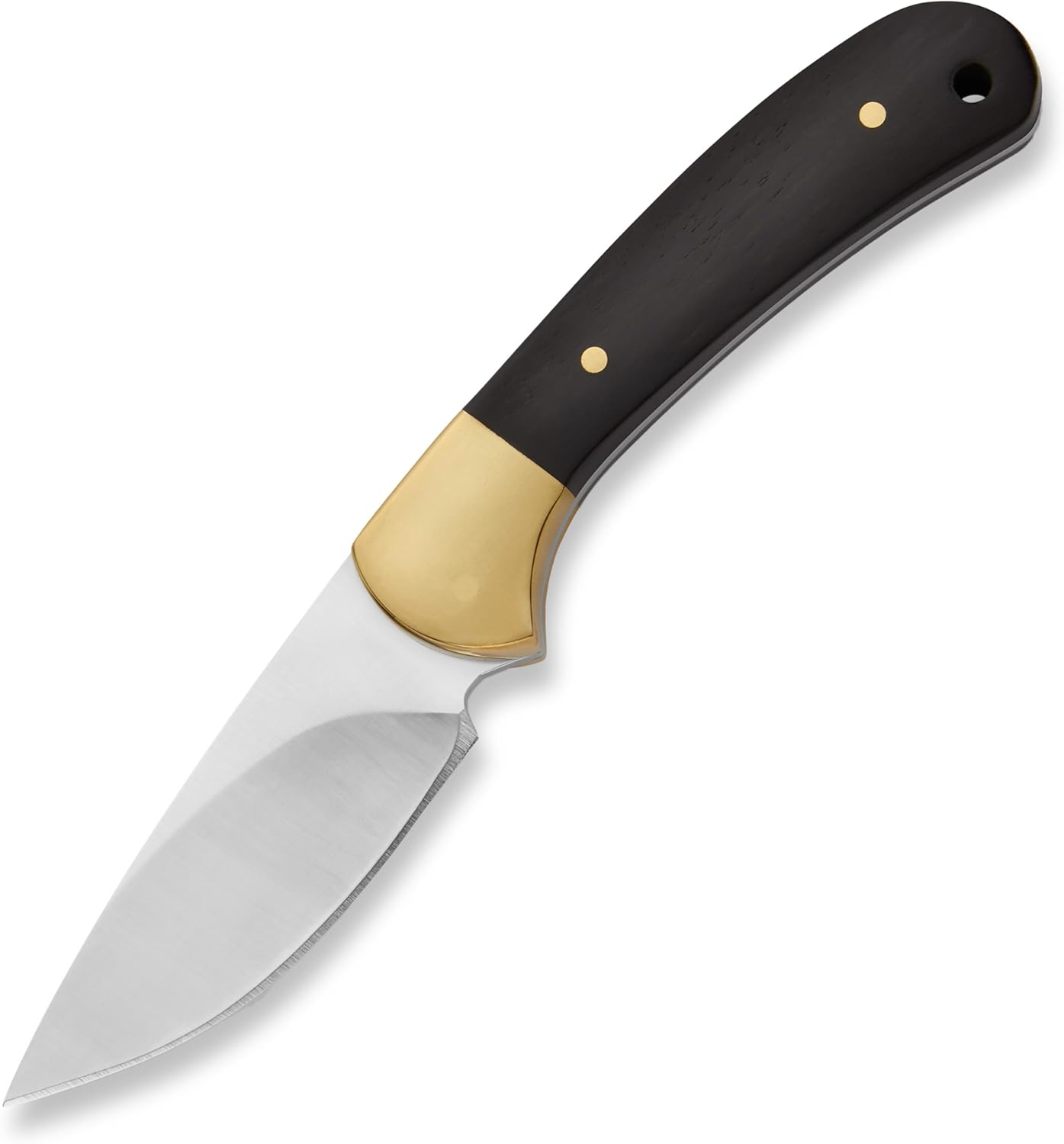
When you think of deer hunting, you likely think of Buck Knives. The 113 Ranger Skinner is a hybrid between their classic Vanguard and the legendary Ranger. It features a compact drop point blade made of 420HC steel, famous for its ease of sharpening and durability. The walnut handle provides a warm, traditional feel that improves with age.
Unlike lighter folders or the sleek Victorinox Cadet, this is a dedicated fixed blade built solely for processing game.
Blade Material: 420HC Stainless
Handle: American Walnut
|
Pros
|
Cons
|
3. Benchmade Hidden Canyon Hunter

For those who appreciate modern metallurgy, the Benchmade Hidden Canyon Hunter is a top-tier choice. It utilizes CPM-S30V (or S90V in newer Select models), a premium powdered steel that holds an edge significantly longer than standard stainless. The design is short and stubby with a massive belly, allowing you to use your index finger along the spine for ultimate control.
Blade Material: CPM-S30V
Handle: Stabilized Wood or G10
|
Pros
|
Cons
|
4. Outdoor Edge RazorPro

The RazorPro solves the “dull knife” problem similarly to Havalon but adds robustness. It features a two-blade system: a main replaceable blade for skinning and a dedicated zipper blade (gutting blade) that opens the deer like a zipper without piercing the stomach. It’s a complete field dressing system in one handle.
Blade Material: Japanese 420J2 (Replaceable)
Handle: Rubberized TPR
|
Pros
|
Cons
|
5. ESEE Ashley Game Knife (AGK)

Designed by Ashley Emerson, this knife is a no-nonsense tool. ESEE is known for survival blades (like the ESEE JG3), but the AGK is pure hunter. The handle scales are Micarta, offering a grip that actually gets stickier when wet/bloody. The 1095 carbon steel is tough and easy to sharpen in the field with a simple stone.
Blade Material: 1095 High Carbon
Handle: Canvas Micarta
|
Pros
|
Cons
|
6. KA-BAR Becker BK2 Campanion

Sometimes you need a tank. While the KA-BAR Dozier is a great budget folder, the Becker BK2 is a fixed blade beast. While slightly thick for delicate caping, it excels at splitting the brisket and pelvis—tasks that would destroy a lesser knife. If you hunt large whitetail or elk and need one tool to do it all, this is it.
Blade Material: 1095 Cro-Van
Handle: Grivory
|
Pros
|
Cons
|
7. Old Timer 152OT Sharpfinger

You cannot write a list of skinning knives without the Sharpfinger. It has skinned more deer in America than perhaps any other knife. The upswept blade shape is unique and perfectly suited for slicing hide. It’s an budget-friendly classic, often available through distributors like Blue Ridge Knives.
Blade Material: 7Cr17MoV High Carbon Stainless
Handle: Sawcut Handle
|
Pros
|
Cons
|
8. Knives of Alaska Alpha Wolf

Knives of Alaska makes tools specifically for professional guides. The Alpha Wolf uses D2 tool steel, which is incredibly hard and holds an edge for a very long time. It features a slender profile that acts like a rigorous boning knife but is sturdy enough for skinning.
Blade Material: D2 Tool Steel
Handle: SureGrip
|
Pros
|
Cons
|
9. Gerber Vital Pocket Folder

If you prefer a folding knife but want the replaceable blade technology, the Gerber Vital is the answer. The high-vis orange handle ensures you won’t lose it in the leaves—a common issue with darker tactical knives like the Cold Steel Wild West Bowie (though the Bowie is a very different beast). The blade exchange mechanism is one of the safest on the market.
Blade Material: Replaceable #60 Razor
Handle: Rubber over-mold
|
Pros
|
Cons
|
10. Fallkniven F1 (or S1)

Originally designed as a survival knife for Swedish Air Force pilots, the Fallkniven F1 (and its larger sibling, the Fallkniven S1) is an exceptional hunting knife. The laminated VG10 steel is convex ground, which separates meat aggressively while maintaining a strong edge. It is a minimalist masterpiece.
Blade Material: Laminated VG10
Handle: Thermorun
|
Pros
|
Cons
|
Watch: Master the Art of Skinning
Having the best knife is only half the battle. Technique is what saves the meat and the cape. Watch this guide to see proper field dressing methods in action.
Honorable Mentions & Alternatives
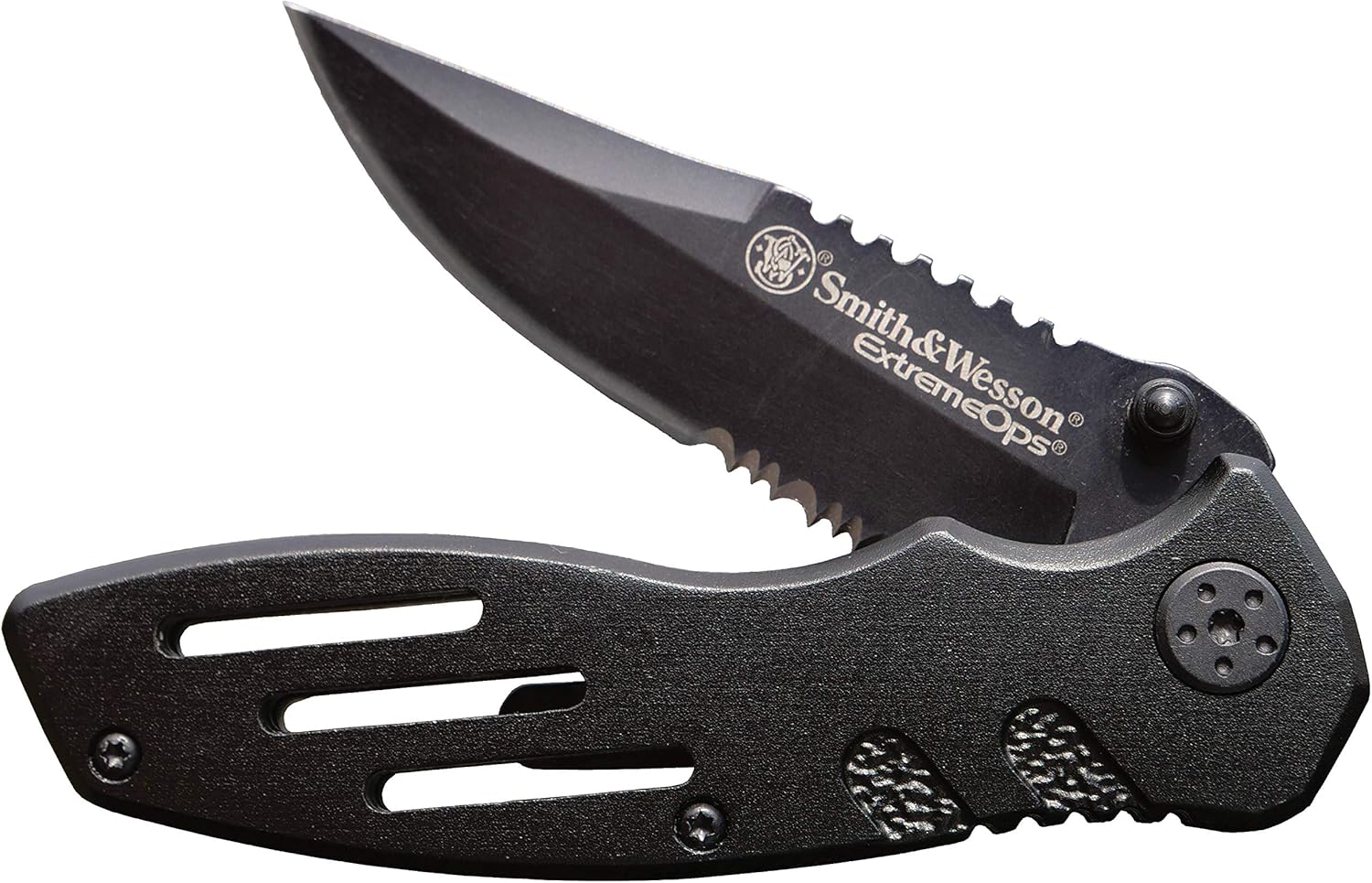
While the list above covers our top picks, the knife world is vast. If you are looking for something lighter for EDC that can double as a backup skinner, the QSP Hawk is a surprising contender with its 14C28N steel. For those who prefer a more tactical crossover, the Smith & Wesson knife reviews often highlight rugged, budget-friendly options that can handle rough abuse, even if they lack the finesse of a dedicated skinner.
Frequently Asked Questions (FAQ)
Final Verdict
Choosing the best skinning knife for deer comes down to your personal hunting style. If you want the ultimate in sharpness and convenience, the Havalon Piranta or Outdoor Edge RazorPro are unbeatable. For those who value tradition and a knife that can be handed down to the next generation, the Buck 113 Ranger or the premium Benchmade Hidden Canyon Hunter are investments worth making.
Remember, a sharp knife is a safe knife. Whichever tool you choose, ensure you maintain it well, and it will serve you faithfully season after season.