Cold Steel Wild West Bowie Review: A Modern Frontier Legend?
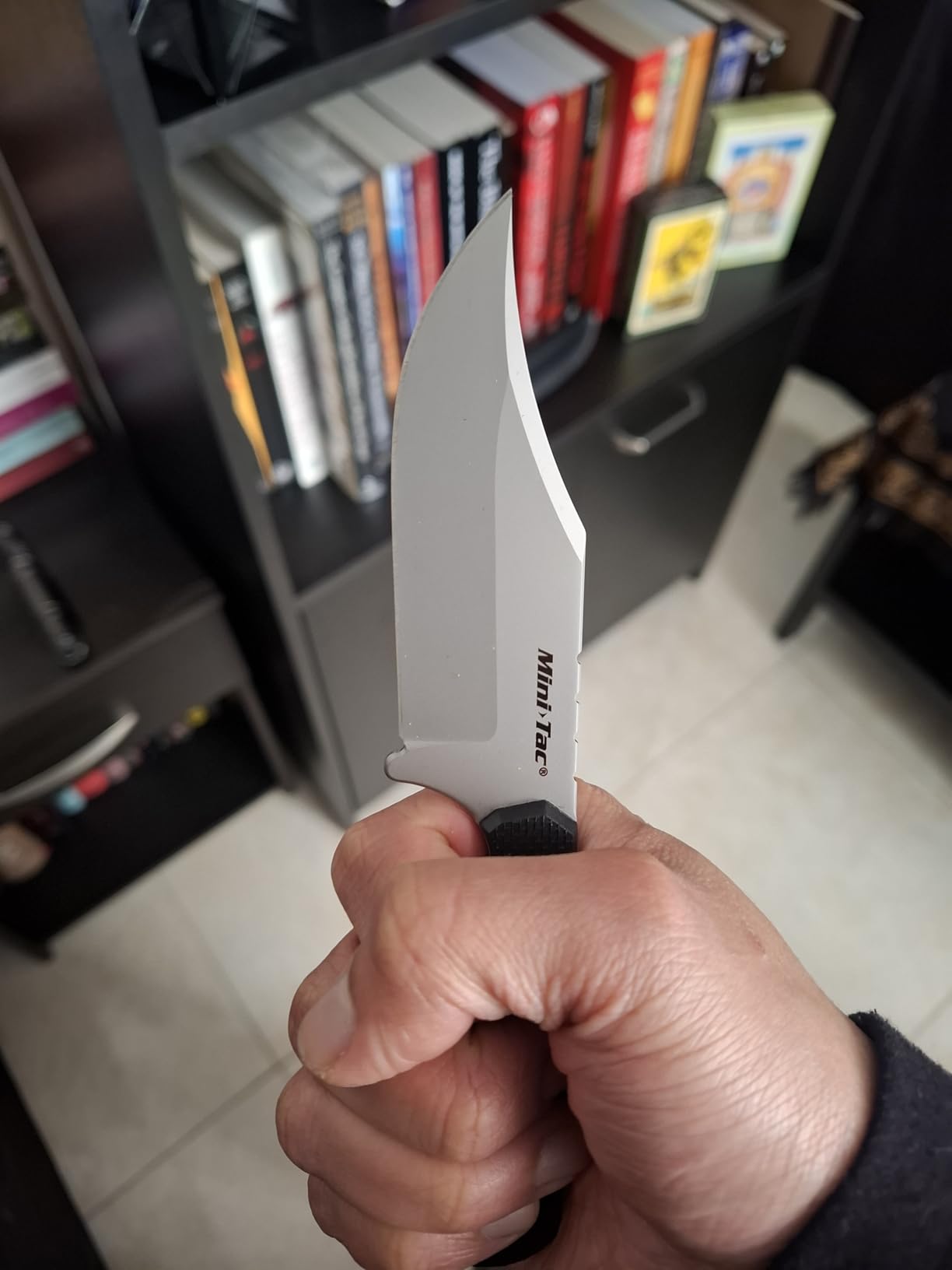
There are knives you buy to quietly open Amazon packages or slice an apple in the breakroom—like the discreet and highly reliable Ka-Bar Dozier—and then there are knives you buy because, deep down, you harbor an irrepressible desire to feel like a 19th-century frontier legend. The Cold Steel Wild West Bowie falls unapologetically into the second category. It is massive, incredibly intimidating, and dripping with raw, historical Americana style.
We are currently living in a golden age of knife manufacturing, where the market is thoroughly flooded with ultra-modern tactical folders, button locks, and flippers. You can easily pick up an aggressively styled SOG-TAC XR for tactical defense, or marvel at the space-age super steels and titanium frames found in Zero Tolerance knives. In stark contrast to these modern marvels, the Wild West Bowie is a refreshing, heavy-metal blast from the past. It eschews ball-bearings and pocket clips in favor of a massive slab of carbon steel and rich wood.
But the burning question remains: is this 16-inch giant merely an oversized novelty wall-hanger for Western movie enthusiasts, or can it actually handle the brutal, unforgiving rigors of deep-woods camp life? Cold Steel, as a company, is famous worldwide for pushing boundaries and demanding extreme performance from their tools. Whether it’s their budget-friendly neck knives or their absolute behemoth swords, they rarely miss the mark on durability. In this exhaustive, deep-dive review, we are going to painstakingly analyze the metallurgy, historical design, ergonomics, and real-world field performance of this 10.75-inch beast to see if it truly deserves a prominent spot on your belt.
The Legend of the Bowie: A Bloody History
Before we can accurately judge the Cold Steel Wild West Bowie, we must understand the cultural and historical weight this specific knife profile carries. The “Bowie Knife” is not just a tool; it is arguably the most famous fixed-blade design in American history, born from frontier violence and mythologized by pop culture.
The legend began in 1827 at the infamous Vidalia Sandbar Fight, a duel on a sandbar in the Mississippi River that devolved into a brutal, bloody brawl. James (Jim) Bowie, despite being shot and stabbed multiple times with a sword cane, used a massive butcher-style knife to defend himself, killing one man and severely wounding another. The knife Jim Bowie used was allegedly designed by his brother, Rezin Bowie, and forged by a local blacksmith named Jesse Clifft out of an old metal file.
“These formidable instruments… are the pride of an Arkansas blood, and got their name of Bowie knives from a conspicuous person of this fiery climate.” – George William Featherstonhaugh, 1847
News of Bowie’s survival and deadly prowess spread like wildfire across the nation. Suddenly, every frontiersman, soldier, and civilian wanted a “Bowie knife.” While the original knife looked more like a large Spanish butcher knife, the design rapidly evolved. By the mid-19th century, the defining characteristics of a true Bowie knife were solidified: a massive blade (often 9 to 12 inches long), a pronounced crossguard to protect the hand, and a sweeping “clip point” with a sharpened false edge (swedge) designed specifically for devastating back-cuts in close-quarters combat.
The Cold Steel Wild West Bowie is a direct, loving homage to these later, highly refined 19th-century designs. It captures the exact aesthetic of the knives carried by cowboys, outlaws, and soldiers during the American expansion, offering modern users a tangible connection to that rugged era.
Technical Specifications
Let’s look at the raw numbers. The dimensions of this knife dictate its usage—this is a weight-forward chopper, designed to generate massive kinetic energy.
| Specification | Details |
|---|---|
| Blade Length | 10.75 Inches (27.3 cm) |
| Overall Length | 16 Inches (40.6 cm) |
| Blade Steel | 1090 High Carbon Steel |
| Handle Material | Rosewood / Sal Wood Scales |
| Weight | 23.1 oz (655 grams / approx 1.4 lbs) |
| Blade Thickness | 4.75 mm |
| Grind | Saber Grind with False Top Edge (Swedge) |
| Sheath | Traditional Black Leather with Swivel Belt Loop & Leg Strap |
The Steel: The Science of 1090 High Carbon
The absolute heart and soul of the Wild West Bowie is its massive, 10.75-inch slab of 1090 High Carbon Steel. To the untrained eye, steel is just steel. But in the world of knife making, the chemical composition of the blade dictates everything about how it will perform in the wild.
Unlike the highly corrosion-resistant, nitrogen-enriched stainless steel you might find in a high-end saltwater knife like the Spyderco Caribbean, 1090 is an old-school, highly reactive carbon steel. It contains approximately 0.90% carbon. In the metallurgical hierarchy, this places it right between the ultra-tough 1060 steel (often used for beginner swords) and the highly brittle, edge-retaining 1095 steel (used in premium skinners).
Why did Cold Steel choose 1090 over modern stainless?
Because a knife of this staggering size and weight (23.1 ounces) is essentially a short sword or a hatchet replacement. Its primary function is chopping, hacking, and enduring massive kinetic impact. If you were to violently chop into a dense, seasoned hardwood log with a hard, brittle stainless steel blade, the microscopic edge would likely chip, shatter, or snap entirely under the lateral stress.
1090 High Carbon, when expertly heat-treated by Cold Steel, acts as an incredible shock absorber. It possesses immense toughness and ductility, meaning that if it strikes a hard knot in a piece of wood, the edge is far more likely to safely “roll” or bend rather than catastrophically fracture. It behaves quite similarly to the legendary steel found in heavy-duty military and bushcraft survival knives, such as the Fallkniven S1, though the S1 utilizes a modern laminated cobalt steel which is arguably more technologically advanced (and significantly more expensive).
The Trade-Off (Rust Warning): There is no free lunch in metallurgy. Because 1090 lacks the chromium required to be “stainless,” it will rust. If you are accustomed to the incredibly low-maintenance, set-it-and-forget-it nature of an EDC knife like a Kershaw Blur in S30V, you must severely adjust your habits. You cannot put this Bowie away wet. You must clean it, dry it, and coat it in a light layer of oil after every single use. Over time, acidic materials like wood sap and meat blood will cause the steel to develop a dark, grey/blue “patina.” This patina is actually highly desirable, as it adds incredible historical character to the blade and forms a mild protective barrier against destructive red rust.
Aesthetics, Ergonomics, and The S-Guard
The Rosewood Handle
Moving down from the blade, the handle features beautiful, classic Rosewood (or Malaysian Sal wood) scales, securely fastened to the thick full tang via heavy brass screws. This wood creates a warm, deeply organic feel that aggressively textured synthetic materials—like the G10 or FRN found on modern folders like the Spyderco Caribbean—simply cannot replicate.
The handle is exceptionally long (over 5.25 inches), allowing it to easily accommodate users with extra-large hands or those wearing thick leather winter gloves. The profile features a distinct “pistol grip” curve at the pommel (the butt of the knife). This isn’t just for looks; when you are swinging a 1.4-pound blade at a tree branch, centrifugal force desperately wants to rip the knife from your grasp. That curved pommel hooks securely into the heel of your hand, locking the knife in place during heavy chopping swings.
The Traditional Brass S-Guard
A true Bowie knife is defined by its guard, and the Wild West Bowie sports a massive, traditional brass “S-Guard.” Historically, this sweeping S-shape served two vital martial purposes: the bottom lug prevented the user’s hand from sliding forward onto their own razor-sharp blade during a violent thrust, while the top lug was designed to literally catch and bind an opponent’s blade in a defensive parry.
In a modern, non-combat context, the guard remains incredibly useful. When your hands are wet with sweat, rain, or field-dressing fluids, the guard guarantees absolute safety. Furthermore, the brilliant polished brass creates a stunning visual contrast against the dark wood and satin steel, making it look significantly more premium and refined than the cheap, painted “gas station” knives we so often critique in M-Tech reviews.
Weight and Balance
Make no mistake: weighing in at 23.1 ounces, this knife is unapologetically blade-heavy. The balance point rests several inches forward of the brass guard. This forward-weighted geometry is a highly intentional design choice. It allows gravity and momentum to do the hard work for you, helping the blade bite deep into wood, functioning much like a high-performance camp hatchet or the ESEE JG3‘s massive older brother.
The Traditional Leather Sheath
A massive fixed blade is only as good as the system used to carry it. Cold Steel absolutely nailed the aesthetic here, providing a high-quality, traditional black leather sheath. It features heavy-duty stitching and is reinforced to prevent the razor-sharp 10.75-inch blade from slicing through the leather during unsheathing.
The most crucial feature of this sheath is the brass swivel belt loop (dangler system). When you strap a 16-inch rigid object to your hip, sitting down on a log, crouching to start a fire, or getting into a truck becomes a geometric nightmare. The swivel allows the sheath to articulate and move with your leg, preventing the handle from jamming into your ribs.
Additionally, it includes a leather leg tie-down strap at the bottom. Tying the sheath to your thigh is highly recommended; otherwise, a knife of this immense weight will act like a pendulum, uncomfortably slapping against your leg with every step you take on the trail.
Field Test: Real-World Performance
Historical romance is wonderful, but we took the Wild West Bowie out into the timber to see if it could handle actual, grueling camp work.
- Heavy Chopping & Limbing: This is where the knife earns its keep. The saber grind, combined with the 4.75mm thickness and extreme forward-weight distribution, allows it to absolutely obliterate tree limbs. It easily took down 3-to-4 inch seasoned oak branches in just a few swings. It hits significantly harder than many dedicated camp hatchets, biting deep and throwing massive wood chips.
- Batoning (Wood Splitting): We batoned the spine of the Bowie with a heavy wooden mallet to split firewood. The 1090 steel held up beautifully. The thick spine easily handled the abuse without warping, and the edge showed absolutely no signs of rolling, chipping, or deformation. The brass guard remained rock-solid and tight, which is a common failure point on cheaper, poorly constructed bowies.
- Slicing & Fine Tasks: While it arrives from the factory with a terrifyingly sharp edge, physics cannot be ignored. The blade is thick, and the saber grind acts as a wedge. It is not going to slice delicate tomatoes as thinly or efficiently as a dedicated EDC slicer like the QSP Hawk or the incredibly thin Victorinox Cadet. It’s a splitting wedge and a meat cleaver, not a delicate surgical scalpel. Carving fine feather sticks for a fire requires choking up very high on the blade, which can be fatiguing.
- Camp Kitchen & Processing: For processing large game, chopping through cartilage and bone, or aggressively cubing thick root vegetables, the Bowie is a monster. However, its sheer size makes detailed kitchen prep somewhat comical and cumbersome.
To truly understand the sheer scale and chopping power of this blade in action, check out this demonstration video:
Comparison: Old School vs. New School Rivals
How does the Wild West Bowie stack up against other legendary large fixed blades on the market?
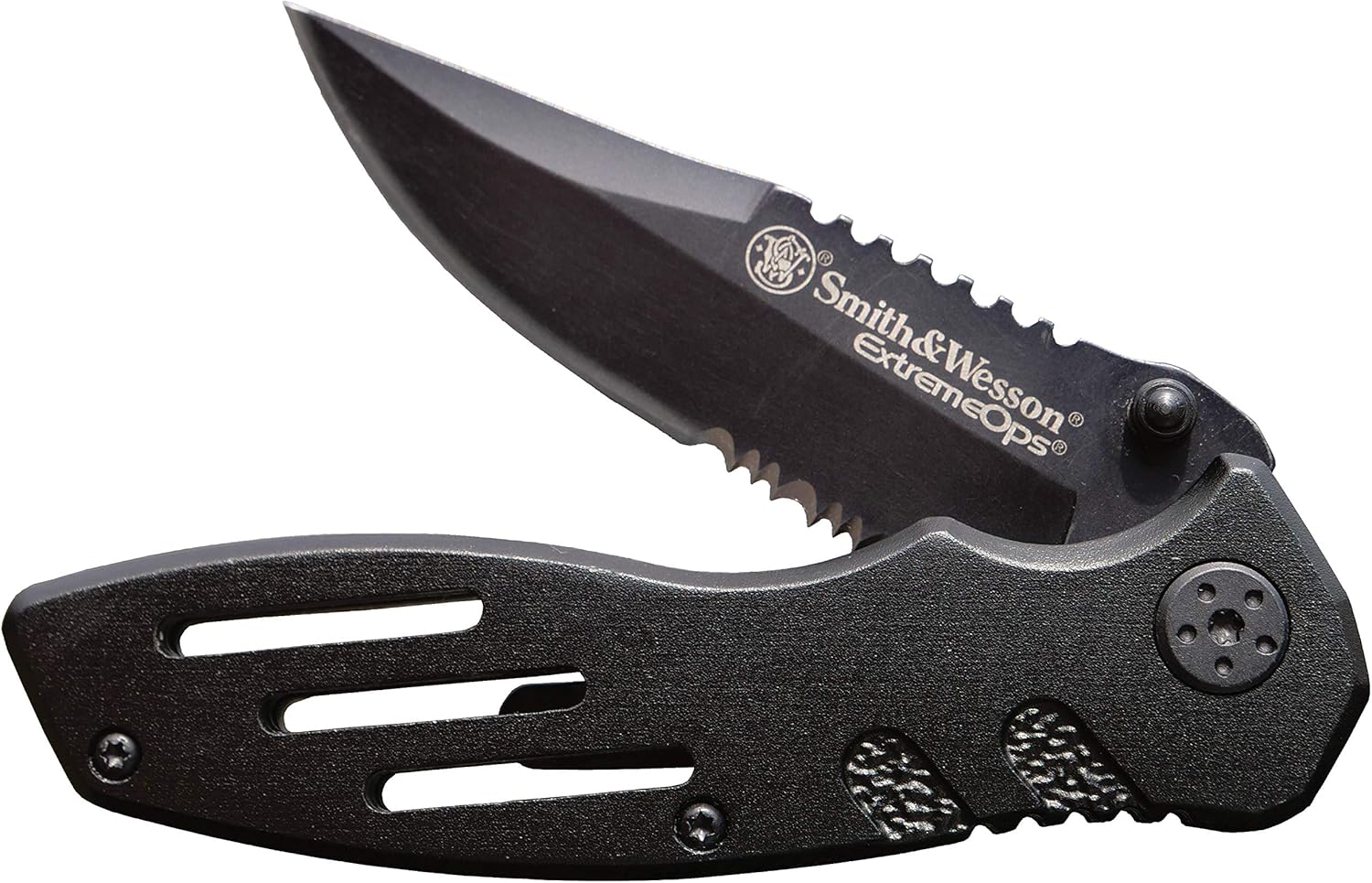
Vs. Modern Tactical Knives: If your primary goal is self-defense, urban preparedness, or tactical loadouts in a modern context, a dedicated tactical folder like a Smith & Wesson tactical folder or a SOG-TAC XR is infinitely easier to carry, deploy, and conceal. The Wild West Bowie is a massive, highly visible statement piece; it is absolutely not designed for covert carry or modern urban environments.
Vs. Budget Classic Bowies: You will frequently see similar-looking, traditional western knives in hardware stores from budget import brands like Blue Ridge Knives or Timber Rattler. The vast difference lies in the proprietary heat treatment. Cold Steel has masterfully perfected the heat treat of their 1090 steel, ensuring the blade flexes and returns to true without snapping under extreme stress. Cheaper, generic bowies are notorious for possessing weak, rat-tail tangs that catastrophically snap at the hilt during heavy chopping.
Vs. Cold Steel Trail Master: The Trail Master is Cold Steel’s modern survival bowie. It features a shock-absorbing Kraton (rubberized) handle and often utilizes SK-5 or O-1 tool steel. The Trail Master is objectively better suited for pure, modern survival and military applications due to its handle grip in wet conditions. However, the Wild West Bowie wins flawlessly on pure aesthetics, historical charm, and “cool factor.”
Get the Gear: Elevate Your Kit
If you are looking to acquire this absolute beast of a blade, or if you need the proper maintenance gear to keep high-carbon steel in pristine condition, here are our top, rigorously tested recommendations.

Cold Steel Wild West Bowie
The main event. 10.75″ of expertly heat-treated 1090 Carbon Steel, genuine Rosewood scales, and a heavy brass S-guard. A true modern classic.
Check Price on Amazon
Blade Maintenance Oil
Absolutely essential for preventing red rust, pitting, and corrosion on 1090 High Carbon Steel. Keep your Bowie protected after heavy field use.
Check Price on Amazon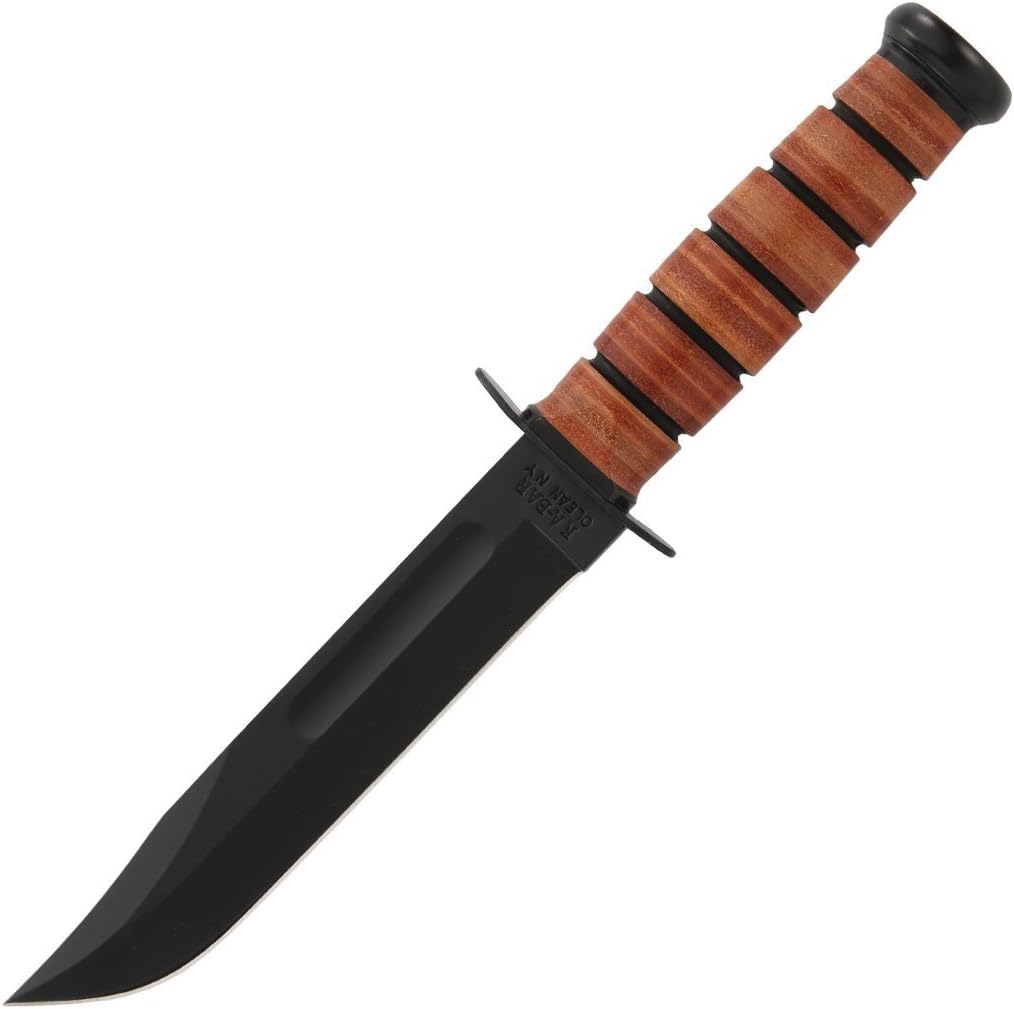
Ka-Bar USMC Fighting Knife
Looking for a historical, combat-proven fixed blade that is slightly smaller and more manageable for standard camp tasks? This is the legendary alternative.
Check Price on AmazonFrequently Asked Questions (FAQ)
Final Verdict: A Functional Masterpiece
The Cold Steel Wild West Bowie is infinitely more than just a nostalgic novelty or a prop for a cowboy costume; it is a highly capable, devastatingly effective tool that pays immense respect to the rugged American frontier. It offers incredible, undeniable value for the massive amount of premium high-carbon steel and beautiful wood craftsmanship you receive in the box.
While it is almost certainly not going to replace your lightweight daily carry pocket folder (unless your daily commute involves traversing the untamed wilderness), it is a genuinely fantastic, highly functional addition to any knife collection, hunting pack, or deep-woods camping kit.
If you deeply appreciate the rugged, “overbuilt” manufacturing philosophy of modern brands like Zero Tolerance but want that indestructible reliability packaged in a classic, historically significant fixed-blade format, the Wild West Bowie will absolutely not disappoint. It flawlessly captures the romantic, untamed spirit of the Old West while simultaneously delivering the brutal, hard-use performance expected of a modern survival tool.