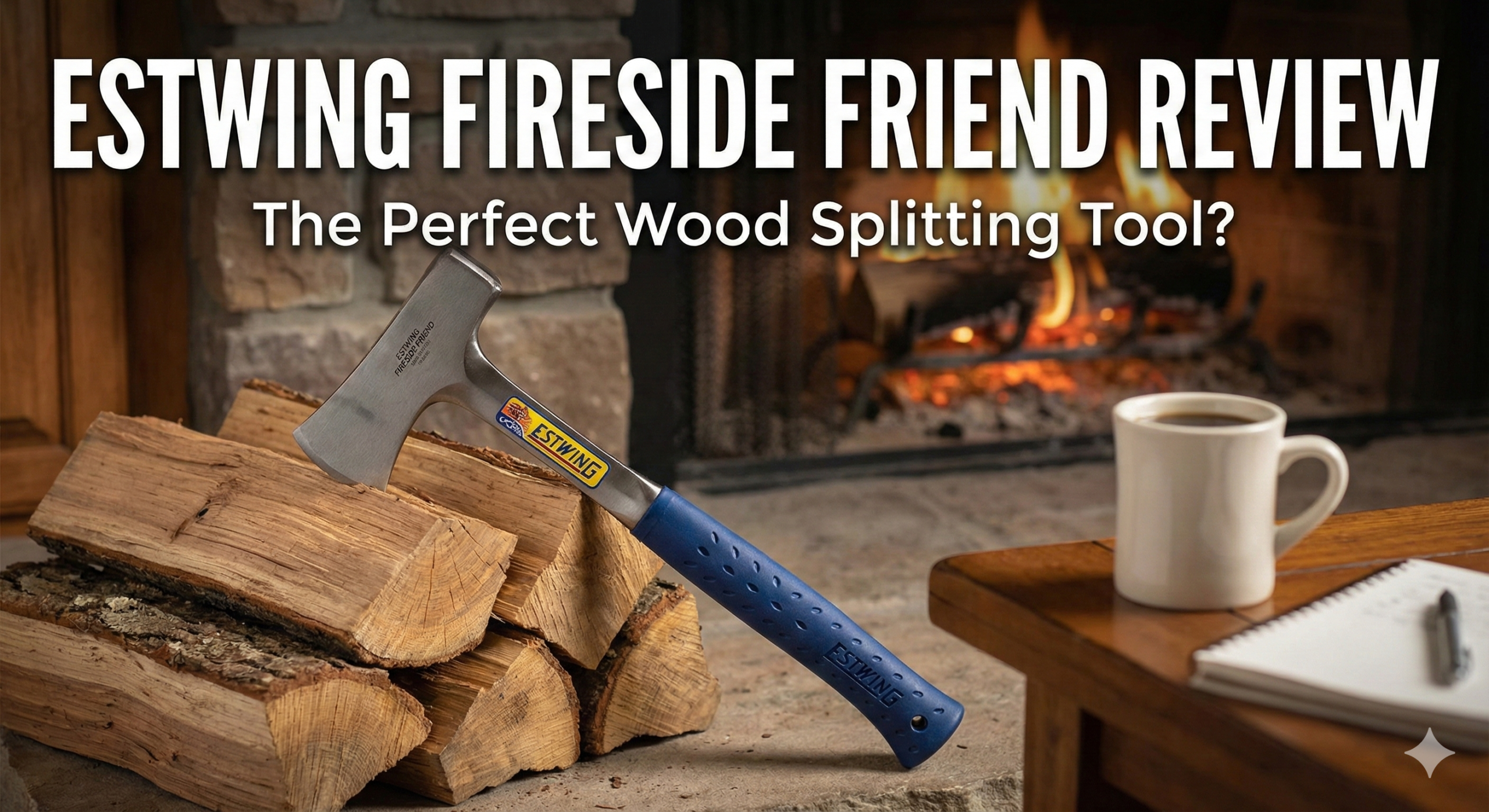
Estwing Fireside Friend Review: The Indestructible Kindling King
Is the Estwing Fireside Friend the last splitting tool you’ll ever need to buy? We break down its performance, durability, and why it dominates the campfire scene.
Introduction
When it comes to processing firewood, there is a distinct gap between the full-sized splitting mauls used for massive rounds and the small camp hatchets used for shaving tinder. This middle ground—the realm of kindling—is where many tools fail. Hatchets often lack the weight to pop apart seasoned hardwood, while full-sized axes are too unwieldy for precision work next to the hearth.
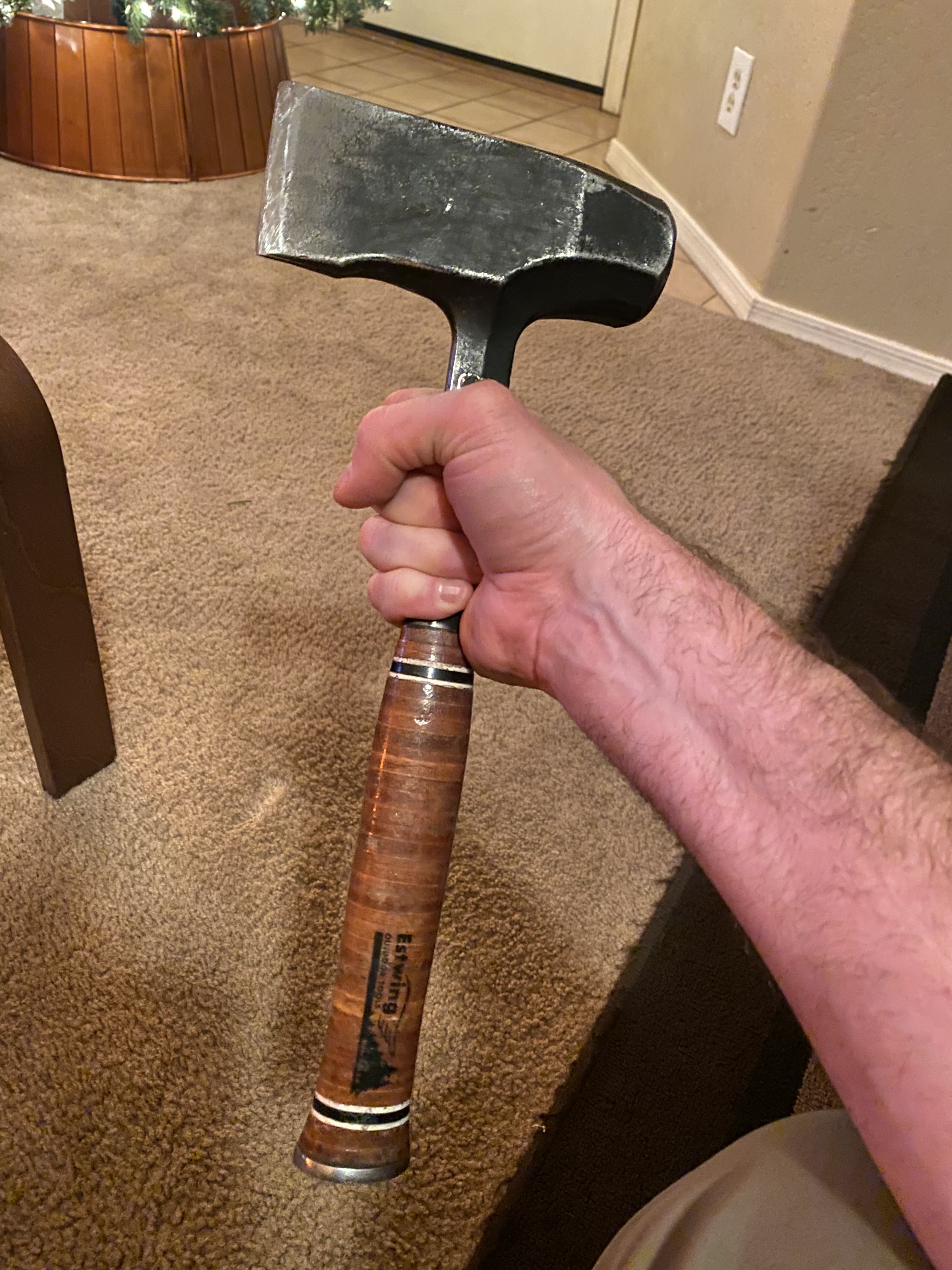
Enter the Estwing Fireside Friend (E3-FF4). It is not quite a hatchet, and certainly not a full-sized axe. It is a handheld splitting maul, designed with a singular purpose: to obliterate firewood into manageable kindling with minimal effort. Made in the USA from a single piece of forged steel, it carries the legendary durability that Estwing is known for.
In this comprehensive Estwing Fireside Friend review, we are going to dive deep into the metallurgy, ergonomics, and real-world performance of this tool. We will compare it against popular alternatives like Fiskars and traditional wooden-handled hatchets to help you decide if this 4-pound beast belongs in your wood-burning arsenal.
Estwing Fireside Friend Splitting Tool

The Gold Standard for Safety and Durability.
Forged in one piece, shock-reduction grip, and a heavy wedge head designed to split wood instantly.
Key Specifications & Features
Before we start swinging, let’s look at the technical DNA of this tool. Understanding the specs is crucial because the Fireside Friend is deceptively heavy for its length.
- Total Length: 14 inches (355 mm)
- Head Weight: 4 lbs (approx. 1.8 kg)
- cutting Edge: 2.375 inches
- Material: One-piece forged American steel
- Handle: Patented Shock Reduction Grip (Bonded Vinyl) or Leather Ring options
- Origin: Made in the USA (Rockford, Illinois)
- Sheath: Includes a nylon sheath (usually)
The standout feature here is the weight-to-length ratio. Most hatchets of this length weigh between 1.5 to 2 pounds. The Fireside Friend doubles that. This added mass transforms the physics of your swing, allowing the tool to do the work rather than your arm speed.
Design and Build Quality: The “Unbreakable” Claim
If you have ever experienced the heartbreak of a wooden handle snapping right below the axe head due to an overstrike, you understand the appeal of Estwing. The Fireside Friend is constructed from a single piece of solid steel. There is no joint, no wedge to come loose, and no wood to rot.
Metallurgy and Construction
Estwing uses high-quality American steel. The forging process aligns the grain structure of the metal, making it incredibly tough. In the world of bushcraft and forestry tools, durability is paramount. While users often debate Gransfors Bruk vs. Hults Bruk regarding Swedish steel purity, Estwing dominates the category of “indestructible utility.” You could theoretically run this tool over with a truck, leave it in the rain for a week, and then go split wood with it.
The Wedge Geometry
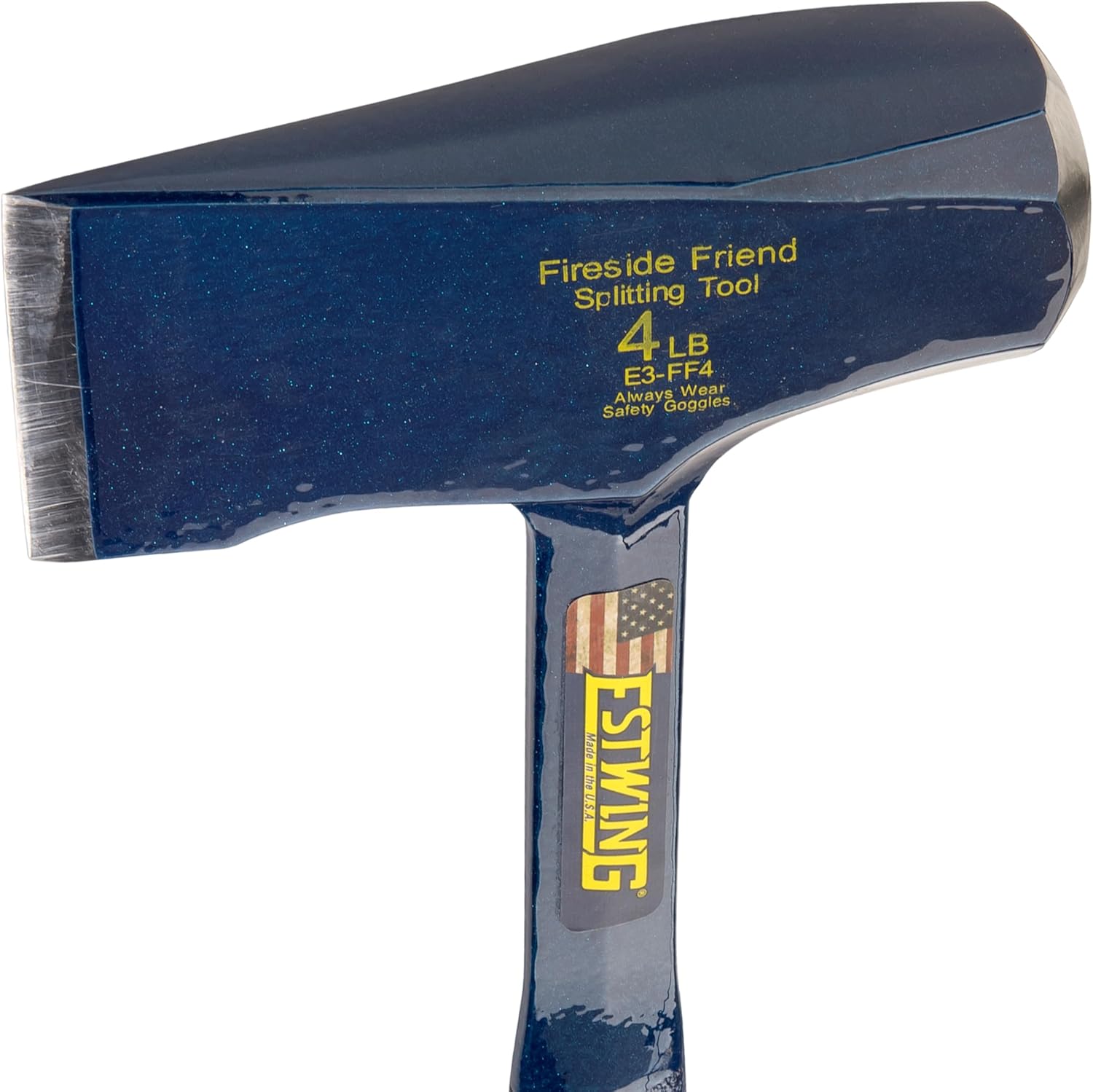
Unlike a Fiskars X7 hatchet, which has a relatively thin profile for cutting, the Fireside Friend features a drastic wedge shape. The cheeks of the axe head expand rapidly from the cutting edge. This geometry is what defines it as a splitting tool. It doesn’t want to cut into the wood; it wants to push the wood fibers apart explosively.
Performance Review: In The Woodpile
I tested the Fireside Friend on a variety of woods, including seasoned oak, knotty pine, and stringy elm. Here is how it performed across different tasks.
1. Splitting Kindling (The Primary Use Case)
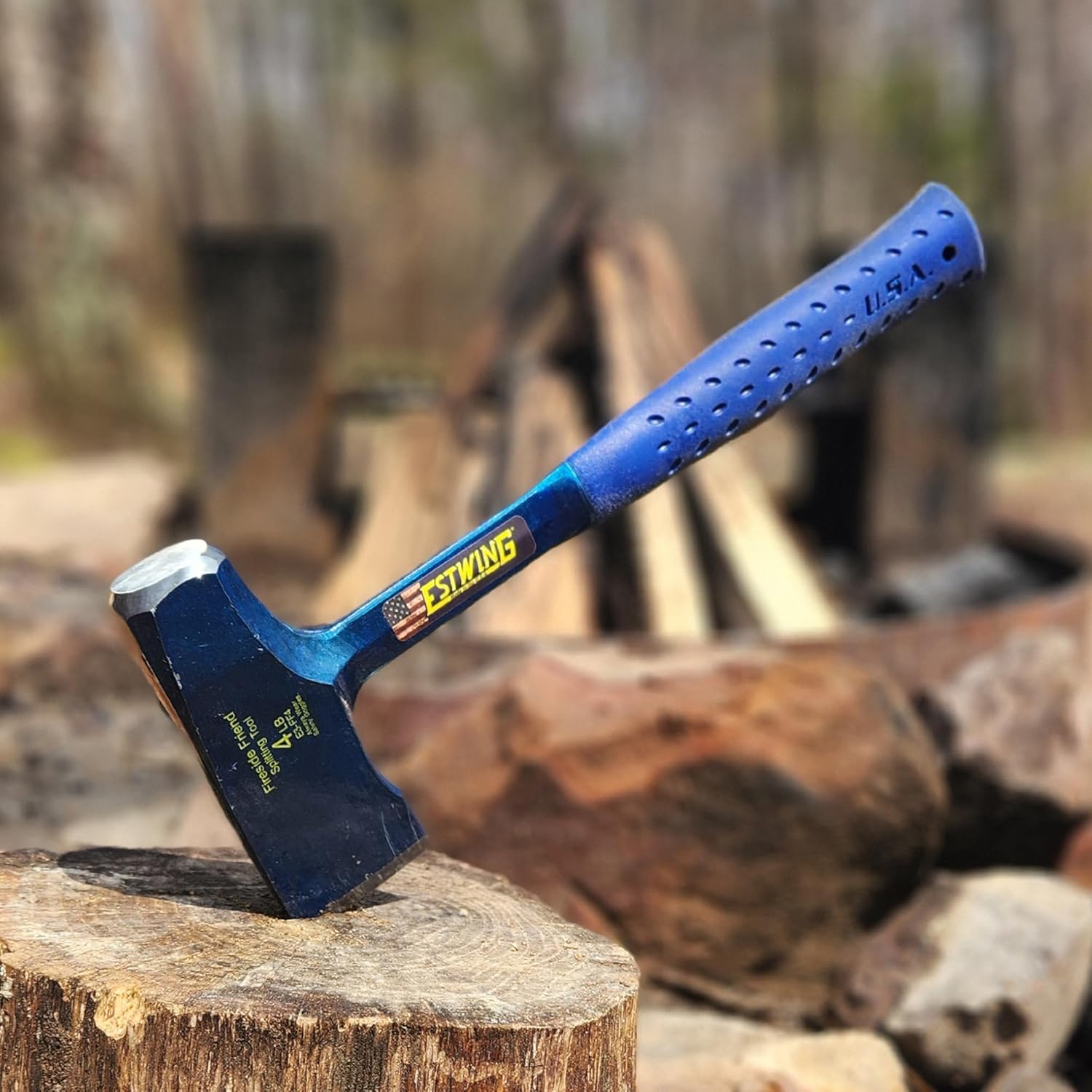
This is where the tool shines. You can take a quarter-split log, set it on your chopping block, and drop the Fireside Friend on it. Because of the 4lb weight, you rarely need a full overhead swing. A controlled drop or a half-swing is usually enough to pop the wood apart.
The short 14-inch handle makes it safe to use while kneeling (though you should always be cautious). Unlike longer axes like the Fiskars X27 or X25, which require a standing stance, the Fireside Friend feels at home next to the woodstove or the campfire ring.
2. Handling Knots
One of the biggest frustrations with lightweight hatchets is that they get stuck in knots. The Fireside Friend acts like a wedge. If it doesn’t split the log on the first strike, the wide head usually prevents it from getting buried deep. If it does get stuck, the solid steel handle allows you to torque it free without fear of snapping the haft—something you would never dare do with a wooden handle.
3. The “Maul” Capability
The poll (the back of the axe head) is flat and substantial. While Estwing warns against striking hardened steel against hardened steel, many users utilize the Fireside Friend as a hammer to drive plastic or soft metal wedges. It effectively doubles as a mini-sledgehammer for tent stakes.
Ergonomics: The Shock Reduction Grip
Swinging a 4lb weight on a 14-inch lever generates a lot of vibration upon impact. If this tool had a bare steel handle, it would destroy your hands and elbows in minutes.
Estwing’s patented Shock Reduction Grip (the blue vinyl handle) is claimed to reduce impact vibration by up to 70%. In practice, it works exceptionally well. The rubber is tacky enough to provide a secure hold even when wearing gloves or when the handle is wet. It is bonded directly to the steel, so it won’t slip or twist.
However, it is worth noting that for users with smaller wrists or those used to the feather-light feel of a Hultafors hatchet, the Fireside Friend will feel like a dumbbell. It is not a tool for hiking; it is a tool for base camp or the backyard.
Comparison: Estwing vs. The Competition
How does the Fireside Friend stack up against other popular options on the market? Let’s look at the data.
| Feature | Estwing Fireside Friend | Fiskars X7 / X11 | Traditional Wooden Hatchet |
|---|---|---|---|
| Construction | One-Piece Forged Steel | FiberComp (Composite) | Wood (Hickory/Ash) |
| Weight | 4 lbs (Heavy) | 1.4 – 2.5 lbs (Light) | 1.5 – 2.0 lbs (Medium) |
| Head Shape | Wedge / Maul | Sharp Cutting Edge | Thinner Cutting Edge |
| Durability | Extreme (Indestructible) | High (Weatherproof) | Moderate (Handle care needed) |
| Best For | Splitting tough logs/kindling | Hiking, light chopping | Bushcraft, carving |
Estwing vs. Fiskars
This is the most common debate. If you are looking for a detailed breakdown, check out our guide on Fiskars vs. Estwing axes. In summary: The Fiskars is lighter, sharper out of the box, and better for carrying distances. The Estwing provides more splitting force per inch of length and will outlast the Fiskars in sheer abuse tolerance.
If you are debating between models, specifically regarding size, you might find our comparison of Fiskars X11 vs X7 helpful. The X11 is the closest functional equivalent to the Fireside Friend as it is designed for splitting, but the Estwing still outweighs it significantly.
Estwing vs. Premium Swedish Axes
If you appreciate the artistry of tools, you might be looking at brands like Hultafors or Gransfors Bruk. (See: Hultafors vs. Hults Bruk). These are superior for bushcraft, carving, and limbing trees because of their balance and sharpness. However, for the brute force task of splitting firewood on a concrete patio or rocky ground, the Estwing is the better choice because you won’t cry if you chip the edge or scuff the handle.
Pros & Cons
No tool is perfect. Here is a transparent look at what we loved and what could be improved.
✅ The Good (Pros)
|
❌ The Bad (Cons)
|
Who is the Estwing Fireside Friend For?
Through our testing, we identified specific user groups who will benefit most from this tool:
- The RV/Car Camper: Weight isn’t an issue when you have a vehicle. This tool tucks away easily and handles campsite firewood bundles (which are often surprisingly knotty) with ease.
- The Homeowner with a Fireplace: If you buy cords of wood that are already split but need to be broken down further for kindling, this is the safest tool for the job.
- The “Buy It For Life” Enthusiast: If you want a tool you can hand down to your grandchildren, this is it.
However, if you are looking for a tool to fell small trees or clear brush, look elsewhere. A Super Splitting Axe or a general-purpose forest axe is better suited for those tasks due to the handle length and head geometry.
Frequently Asked Questions
Is the Estwing Fireside Friend too heavy for beginners?
It can be. At 4lbs, it requires wrist strength to control safely with one hand. However, its weight does the work for you, meaning you don’t have to swing as fast, which can actually be safer for beginners if treated with respect.
Does it come sharp out of the box?
It comes with a utility edge, not a razor edge. This is intentional. Splitting mauls rely on the wedge angle, not sharpness, to split wood. You can sharpen it, but a razor edge will dull quickly in splitting tasks.
Can I use the back of the Fireside Friend as a hammer?
Many people do use it to drive tent stakes or soft plastic wedges. However, Estwing officially advises against striking hardened steel against hardened steel (like metal wedges) as it can cause chipping. Always wear safety glasses.
Leather handle vs. Vinyl handle: Which is better?
The blue Vinyl (Nylon) handle offers better shock reduction and is impervious to moisture. The Leather handle looks beautiful and traditional but is slicker and requires care to prevent rot or drying out. For pure utility, go with Vinyl.
Final Verdict
The Estwing Fireside Friend is a unique beast in the world of cutlery and tools. It abandons the finesse of a bushcraft hatchet in favor of raw, unadulterated splitting power. It solves the specific problem of processing kindling better than almost any other handheld tool on the market.
While it may be too heavy for hikers and lacks the versatility of a longer axe, it excels at its core job. If you are tired of getting your lightweight hatchet stuck in logs or worrying about breaking a wooden handle, the Fireside Friend is a worthy investment. It is American steel at its finest—simple, effective, and built to last forever.