How to Store Knives Without a Block: The Ultimate Small Kitchen Organization Guide
In a sprawling, cavernous gourmet kitchen, a massive, slanted wooden knife block proudly sitting on an island island is often viewed as a culinary statement piece. But if you reside in a studio apartment, a tiny house, or you are battling the confines of a classic NYC galley kitchen, that exact same wooden block is nothing but an egregious countertop thief. If you are currently struggling with limited counter space, you intimately know the pain: trying to desperately chop vegetables on a cutting board that is hanging halfway off the edge of the sink because your coffee maker, toaster, and knife block are ruthlessly fighting for territorial dominance.
However, learning how to store knives in a small kitchen is not merely an exercise in aesthetic decluttering; it is absolutely critical for physical safety and preserving the expensive longevity of your cutting edges. Whether you have recently invested a small fortune in high-end, brittle Japanese kitchen knives (like Shun or Miyabi), or you simply own a highly reliable, budget-friendly set of Victorinox beaters, blindly throwing them loosely into a chaotic utensil drawer is a guaranteed recipe for dull, chipped edges and severely cut fingers.
This exhaustive, comprehensive guide will walk you through the absolute most innovative, space-efficient, and edge-friendly ways to store your cutlery without relying on a traditional block. We will deeply explore vertical magnetic solutions, hidden in-drawer compartments, and professional under-cabinet hacks that will permanently transform your cramped, chaotic cooking zone into a highly streamlined, professional culinary cockpit.
The Three Hidden Dangers of the Traditional Knife Block
Before we dive into the modern solutions and buy new gear, let’s clearly understand the fundamental problem. While we do comprehensively review the best knife sets with blocks (because some modern, open-air, magnetic block designs are actually quite excellent), standard universal, closed-slot wooden blocks inherently suffer from three severe, often overlooked flaws:
The Problem (Standard Slotted Blocks)
- Severe Hygiene Risks: Deep, dark, unventilated wooden slots act as perfect incubators. If you slide a slightly damp knife into a slot, it attracts moisture, mold, dust, and microscopic food particles. You physically cannot scrub the inside of these slots to sanitize them.
- Micro-Dulling the Edge: The natural, repetitive act of sliding the knife in and out forces the microscopic, razor-sharp apex of the blade to drag aggressively against the hard wooden lip of the slot, actively rolling your edge before you even make your first cut of the day.
- Countertop Clutter: They are massive, heavy, and eat up prime countertop real estate, dictating exactly where you must prep your food.
The Solution (Modern Blockless Storage)
- Clinical Sanitation: Open-air wall storage or easily washable, flat drawer inserts logically ensure your blades remain 100% dry, ventilated, and completely sanitary at all times.
- Total Edge Protection: Strategic magnetic suspension or soft cork resting surfaces physically prevent the sharp edge from aggressively rubbing against any hard materials during retrieval.
- Spatial Efficiency: Utilizing vertical wall space or hidden horizontal drawer space drastically clears the counter, making your kitchen look remarkably cleaner, larger, and vastly more organized.
The Three Golden Pillars of Compact Knife Storage
Before impulsively buying a random rack or organizer online, you need to ruthlessly assess your specific kitchen layout based on three critical factors. Ignoring these principles often leads to buying expensive knife holders that simply do not fit your daily cooking workflow.
- Verticality is King: In a small kitchen, empty wall space is your absolute best friend. If you cannot build out horizontally on the counter, you must build up.
- Instant Accessibility: Your primary chef’s knife should be reachable within two seconds of needing it. If you have to unlock a cabinet, unstack three plastic boxes, and untie a roll to get your knife, you will subconsciously stop cooking complex meals.
- Uncompromising Edge Protection: Space-saving should never, ever compromise the integrity of the blade. Metal-on-metal contact or overcrowding blades in a tight space inevitably destroys microscopic edges.
Method 1: The Magnetic Knife Strip (The Professional Choice)
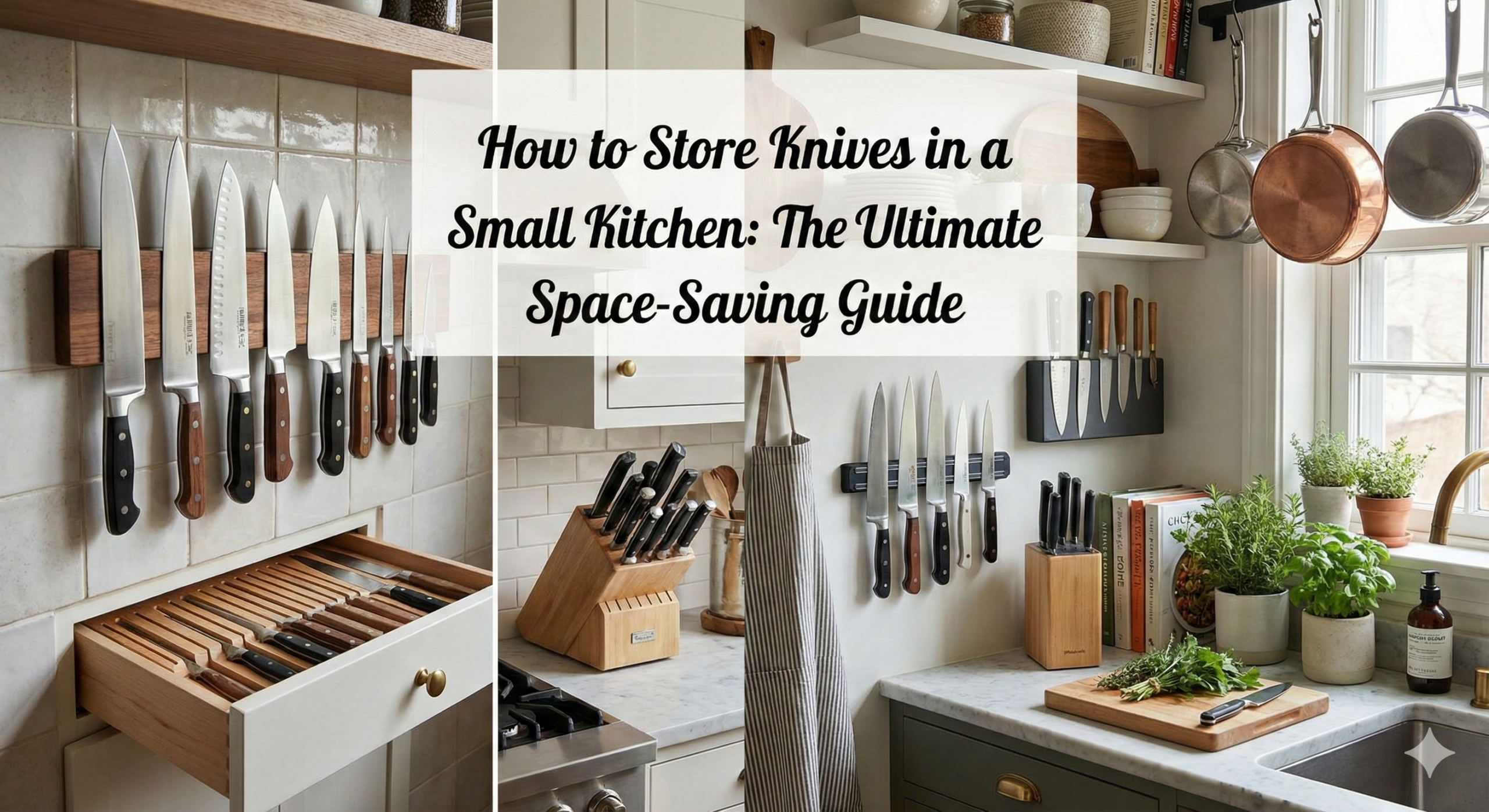
Walk into almost any high-volume professional commercial kitchen, Michelin-starred restaurant, or serious butcher shop, and you will immediately see an array of steel knives hanging proudly on the wall. The magnetic strip is the absolute gold standard for clinical hygiene, edge protection, and rapid-fire convenience. It suspends the knife by the flat of the blade, keeping the fragile cutting edge from touching absolutely anything. This is a vital protective measure whether you heavily abuse rugged German steel or delicately slice with hard, brittle Japanese blades.
Why It Works So Well in Small Spaces
By mounting a strip directly on the kitchen backsplash, you instantly turn dead, unused vertical wall space into highly functional storage. This is particularly useful if you have a tiled backsplash between your counter and upper cabinets. It also promotes maximum 360-degree airflow, ensuring your washed knives dry completely—a crucial, non-negotiable step in preventing catastrophic rust on high-carbon steel.
Crucial Installation & Selection Tips
- Location is Everything: Mount it near your primary prep station (directly above the main cutting board), but ensure it is mounted high enough to be strictly out of reach of curious children.
- Material Matters (Avoid Exposed Metal): You must deliberately choose wood-faced, silicone-covered, or leather-wrapped magnets. Harsh metal-on-metal contact from cheap stainless steel strips will aggressively scratch the sides of your blades, ruining the beautiful Damascus finish of premium knives like those detailed in our Shun vs. Wusthof comparison.
- Magnet Strength (Neodymium is Key): Ensure the underlying magnet is strong enough. Heavy, fully forged Western knives with thick metal bolsters (review the difference between stamped and forged knives here) absolutely require rare-earth neodymium magnets to hold securely without dangerously slipping down the wall.
- Renter-Friendly Solutions: If your strict landlord forbids drilling holes into the expensive backsplash tile, look for premium magnetic strips that specifically utilize heavy-duty, double-sided 3M VHB mounting tape.
Never install your magnetic knife strip directly above the stovetop. The constantly rising aerosolized grease from frying pans and intense boiling steam will quickly coat the handles and blades in a sticky, unsanitary grime, making them highly dangerous and slippery to wield.
Method 2: In-Drawer Knife Docks (The Minimalist Gem)
If you deeply prefer a minimalist, utterly clean countertop aesthetic, or if you have toddlers whose wandering hands make wall-mounting a major anxiety inducer, the in-drawer organizer (often called a “knife dock”) is vastly superior. However, it is vital to understand that “drawer storage” does absolutely not mean “loose storage.”
The Extreme Danger of Loose Storage
Throwing a premium Victorinox Chef Knife loosely into a chaotic “junk drawer” alongside metal whisks, can openers, and heavy ladles is disastrous. The delicate blade bangs violently against other metal tools every time the drawer opens, causing massive micro-chips and rolled edges. Furthermore, blindly rummaging through a messy drawer containing exposed 8-inch blades is a severe physical safety hazard.
The Solution: Slotted Cork or Bamboo Organizers
A dedicated knife drawer organizer features precisely milled slots that hold knives securely horizontally or vertically. Low-profile docks (often made of soft cork or eco-friendly bamboo) fit smoothly into standard kitchen drawers and keep blades completely separated and stationary. This method is excellent for households with children, as the knives remain entirely out of sight and can even be secured with a magnetic drawer lock.
Unlike bulky, pre-slotted countertop blocks that come with standardized knife sets, these open-slot organizers allow you to highly curate your collection over time. You can easily store a thick Mercer or Wusthof right alongside an ultra-thin Japanese Santoku without anxiously worrying about specific slot widths.
Method 3: Under-Cabinet Drop-Down Racks
This is the absolute “secret weapon” of microscopic, ultra-tiny kitchens. The architectural space directly underneath your upper kitchen cabinets is almost always wasted. Under-cabinet knife racks intentionally mount flush to the bottom of the cabinet. They either utilize strong magnets to hold the knives horizontally, or they function on a simple hinge mechanism that folds down to present the handles when needed.
This is the ideal solution if you have absolutely no backsplash space for a magnetic strip (perhaps due to large windows) and no spare drawer space to sacrifice for a dock. It keeps the knives completely invisible until you reach for them, maintaining a flawless minimalist aesthetic. This works exceptionally well for lighter, nimble knives like paring knives or utility knives, though massive, heavy meat cleavers might prove too weighty for some folding mechanisms.
Method 4: Declutter (Do You Really Need 15 Knives?)
In a genuinely small kitchen, physical storage space is a ruthless resource management game. The absolute most effective, cheapest way to store knives is to simply store fewer of them. Most enthusiastic home cooks rely heavily on a massive, imposing 12-piece block set they received as a gift, yet studies show they realistically only use three of those knives daily.
The Core “Holy Trinity”
To save massive amounts of space immediately, heavily consider paring your entire collection down to the three essential knives every chef should actually own:
- The 8-Inch Chef’s Knife: Your primary workhorse, responsible for 90% of all daily prep work, from dicing onions to slicing chicken. (See our guide to the best chef knife brands).
- The Paring Knife (3.5 to 4-inch): Absolutely essential for delicate, off-board detail work, like peeling apples or coring strawberries.
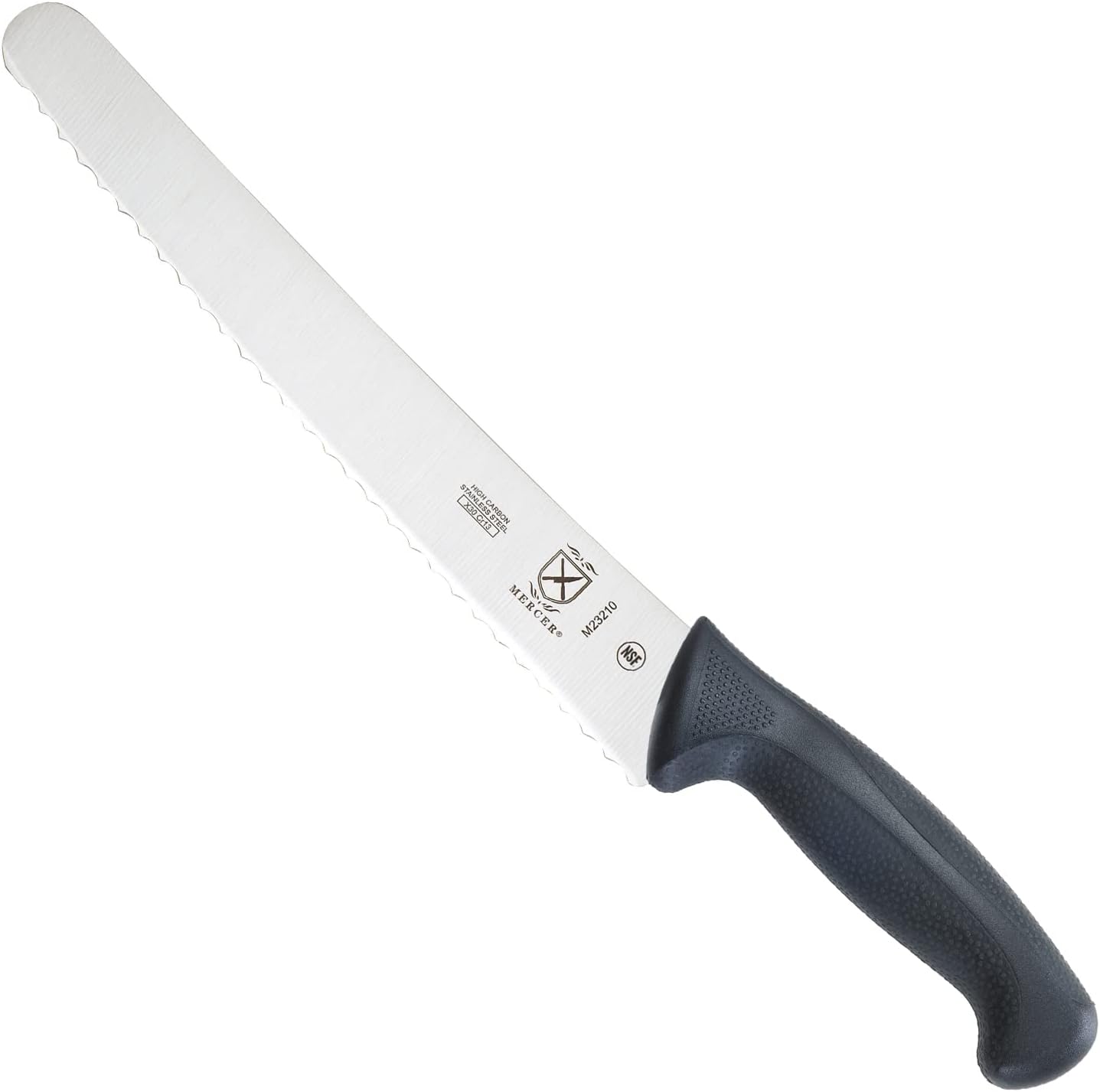
- The Serrated Bread Knife: Mandatory for cleanly slicing through hard, crusty artisan loaves and tough-skinned tomatoes without crushing them. (See our rankings of the best bread knives).
By actively removing the highly specialized tools you rarely, if ever, use—like that random, deeply curved boning knife or the obscure tourné knife—you can easily switch to a highly slimline storage solution (like a small 10-inch magnetic strip) that takes up barely a fraction of the space.
Specialized Storage Scenarios & Edge Guards
The Knife Roll (For Nomads and Tiny Homes)
If your kitchen is truly microscopic (think van life, an RV, or a college dorm room), a professional knife bag for chefs (a knife roll) is a highly legitimate, space-saving storage option. You can keep your knives securely rolled up in protective canvas and stored entirely out of the way on a bookshelf or in a hall closet. You simply unroll it onto the table only when it is time to cook. It is the ultimate zero-footprint kitchen solution.
Individual Sheaths and Edge Guards (Sayas)
If you absolutely cannot install a magnet, and you are financially forced to store your knives loosely in a mixed utensil drawer, you must actively use individual edge guards (traditionally called sayas in Japanese cutlery).
Felt-lined plastic guards or custom-carved wooden sheaths tightly slide over the blade, completely protecting the fragile edge from metal impacts, and protecting your fingers from severe lacerations when reaching into the drawer. This specific method safely allows you to store an ultra-brittle, razor-thin Nakiri or Usuba vegetable cleaver right alongside heavy metal spatulas without an ounce of fear regarding edge damage.
Data Comparison: Which Method Saves the Most Space?
| Storage Method | Counter Space Used | Installation Difficulty | Speed of Accessibility | Ideal Use Case Scenario |
|---|---|---|---|---|
| Magnetic Wall Strip | Absolute Zero | Medium (Drilling or VHB Tape) | Instant (Highly Visual) | Most standard small kitchens, Professional cooks |
| In-Drawer Slotted Dock | Absolute Zero | None (Drop-in) | Medium (Requires opening drawer) | Minimalist aesthetics, Homes with curious children |
| Under-Cabinet Rack | Absolute Zero | Medium (Screws to cabinet base) | High (Drops down easily) | Kitchens lacking usable wall or drawer space |
| Plastic Edge Guards (Sayas) | Absolute Zero | None (Slides onto blade) | Slow (Requires unsheathing) | Traveling chefs, RVs, Overstuffed utensil drawers |
| Canvas Knife Roll | Absolute Zero | None | Very Slow | Extreme tiny homes, Dorm rooms, Caterers |
Maintenance Protocols in Tight Quarters
Storing premium knives in small, potentially dark, and enclosed spaces (like tight drawers or leather rolls) requires strict vigilance regarding ambient moisture control to prevent catastrophic blade degradation.
- Bone Dry Before Storage: Before placing a knife into a wooden drawer dock or sliding it into a plastic edge guard, you must ensure the steel is 100% bone dry. Trapped, stagnant moisture leads rapidly to aggressive rust and pitting, especially if you are actively having to learn how to remove rust from kitchen knives on a weekly basis due to poor habits.
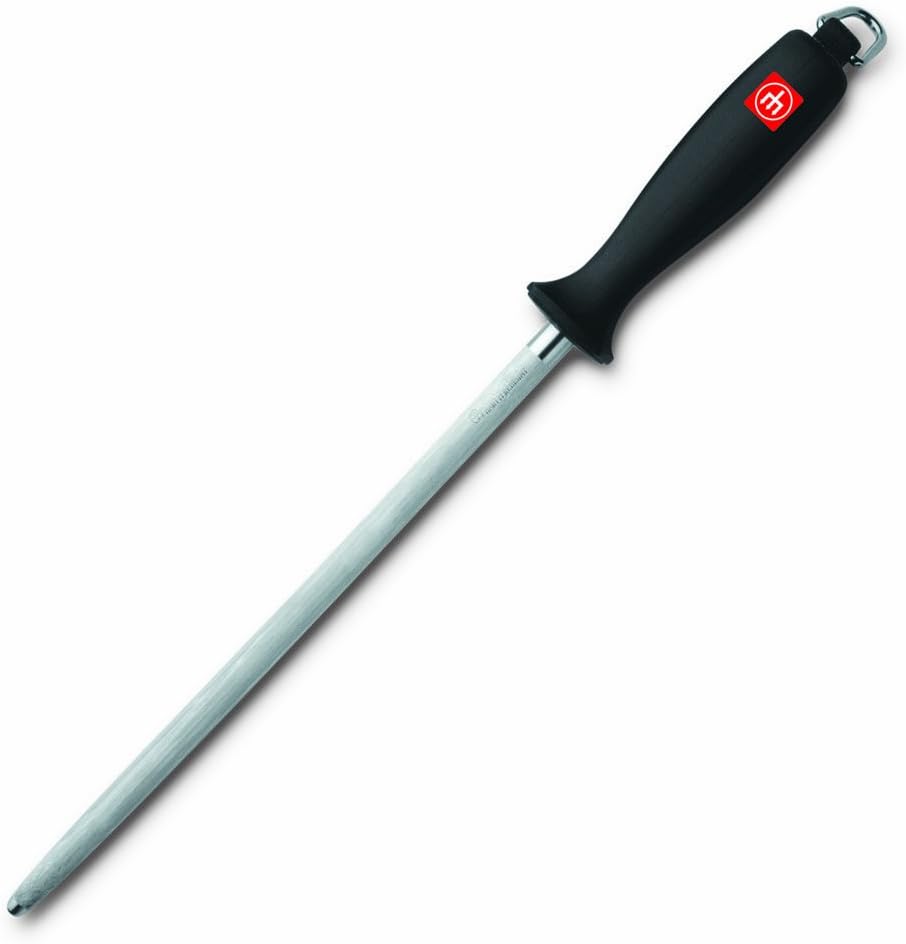
- Compact Honing Gear: Do not forget to plan storage for your maintenance tools. If you simply do not have the cabinet space to house a large, bulky electric sharpening machine, you must acquire a compact ceramic honing rod or a small pocket stone. Review our comprehensive comparison of sharpening stone vs honing steel to clearly see which tool best fits your limited physical storage capacity. A flat whetstone can be easily tucked away flat in a cupboard, whereas a long honing rod requires length.
- Managing Steak Knives: Piles of cheap steak knives are often the primary clutter culprits in small kitchen drawers. Consider utilizing a separate, small, dedicated box for them. Or, if possible, purposely invest in dishwasher safe steak knives that might be slightly more forgiving of casual, loose storage in a standard silverware caddy (though, as experts, we will always highly recommend hand washing any bladed edge).
Top Recommended Blockless Storage Solutions

Premium Pick: 16-Inch Solid Walnut Magnetic Knife Bar
Exceptionally elegant, utilizes powerful hidden neodymium magnets, and fully protects delicate, brittle Japanese edges from scratching against metal.
Check Availability on Amazon
Organization Pick: Noble Home & Chef Bamboo In-Drawer Dock
Flawlessly fits standard kitchen drawers, safely holds up to 12 knives plus a sharpening steel, and is constructed from highly durable, eco-friendly bamboo.
Check Availability on Amazon
Budget Pick: Messermeister Universal Edge-Guard Set
The absolute best, cheapest solution for chaotic drawers. These felt-lined plastic sheaths pinch the blade firmly, allowing safe storage absolutely anywhere.
Check Availability on AmazonExpert Frequently Asked Questions (FAQ)
Is it actually safe to store kitchen knives loosely in a drawer without a block?
It is only considered safe if you rigorously use individual blade guards (plastic sheaths) on every single knife, or utilize a dedicated, slotted in-drawer knife organizer dock. Storing loose, naked knives without physical protection is highly dangerous for your searching hands and will rapidly chip, roll, and dull the microscopic knife edges as they violently bang against other metal kitchen utensils like spatulas and spoons.
Can I effectively use a magnetic knife strip on a rental apartment backsplash without drilling?
Yes, absolutely. You can easily use heavy-duty, double-sided acrylic mounting tape (such as 3M VHB outdoor tape) to securely mount lightweight wooden magnetic strips directly to smooth tile or glass backsplashes without drilling permanent, damaging holes. Just strictly ensure the specific adhesive you buy is highly rated to support the combined heavy weight of the wood strip and your heaviest forged knives.
How do I safely store brittle ceramic knives in a very small kitchen?
Because ceramic knives contain zero metal, they are entirely non-magnetic, so they physically cannot be stored on magnetic wall strips. The absolute best, safest place for them is laying flat in a padded, wooden drawer organizer dock or securely encased in individual, hard plastic protective sheaths within a drawer. Ceramic is extremely hard but highly brittle, so preventing them from rattling against other hard objects is paramount to prevent shattering. Learn more about their fragile nature in our ceramic vs steel knives guide here.
What is considered the most clinically hygienic way to store kitchen knives?
Open-air magnetic wall strips are universally considered by health inspectors and commercial chefs to be the most clinically hygienic storage option available. They naturally allow 360-degree ambient air to aggressively circulate around the entire blade, completely preventing the dark, damp mold and dangerous bacteria growth that frequently occurs inside the deeply un-washable slots of traditional, countertop wooden knife blocks.
Final Verdict: Successfully Reclaiming Your Countertop
Living and cooking daily with a small, cramped kitchen absolutely does not mean you have to sacrifice the high quality or the sharp longevity of your culinary tools. By aggressively moving away from the traditional, bulky, unhygienic countertop block and confidently embracing modern magnetic wall strips or sleek in-drawer slotted organizers, you can easily keep your premium German steel or delicate Japanese blades surgically sharp, highly safe, and instantly ready for action.
Start the process today by ruthlessly auditing your current collection—keep only the core essentials. Then, look closely at your walls. If you possess the available vertical space, a high-quality magnetic strip is the undisputed gold standard for small kitchens. If wall space is occupied by windows or cabinets, organize that top utensil drawer with a dedicated bamboo dock. Your fragile edges will stay sharper significantly longer, and your once-cramped cooking space will instantly feel twice as big and vastly more professional.