Victorinox Cadet Review: Is It The Ultimate Gentleman’s EDC?
An exhaustive analysis of the Swiss Army classic. We break down the Alox durability, the non-threatening toolset, urban legality, and compare it directly against modern tactical flippers.
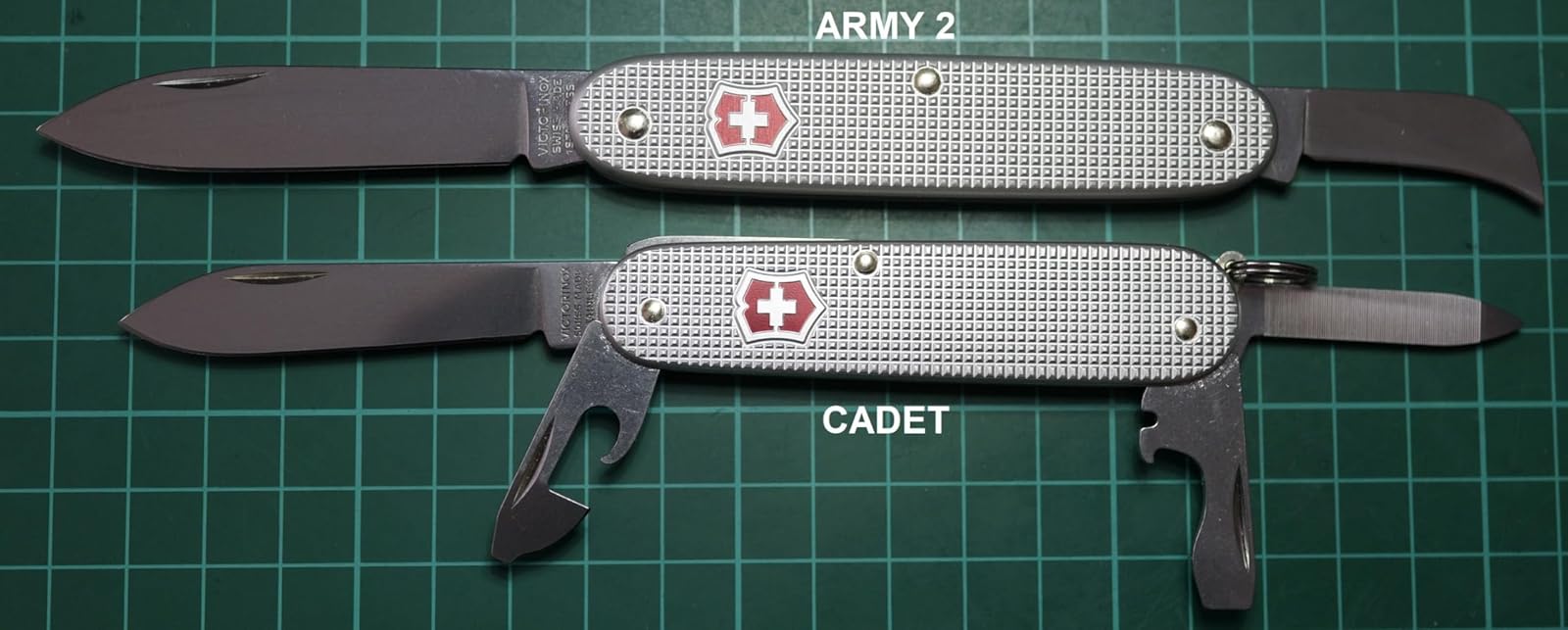
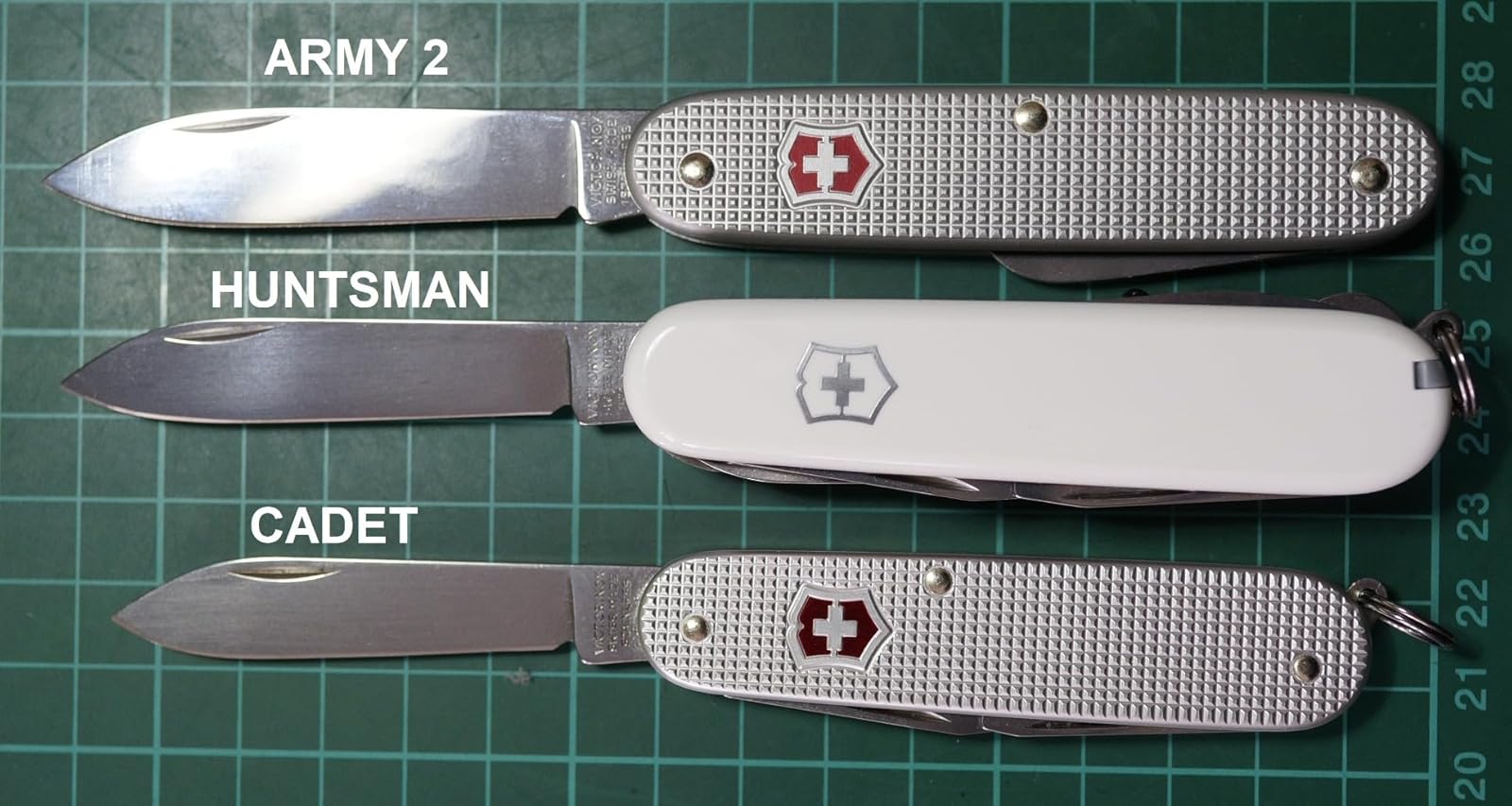

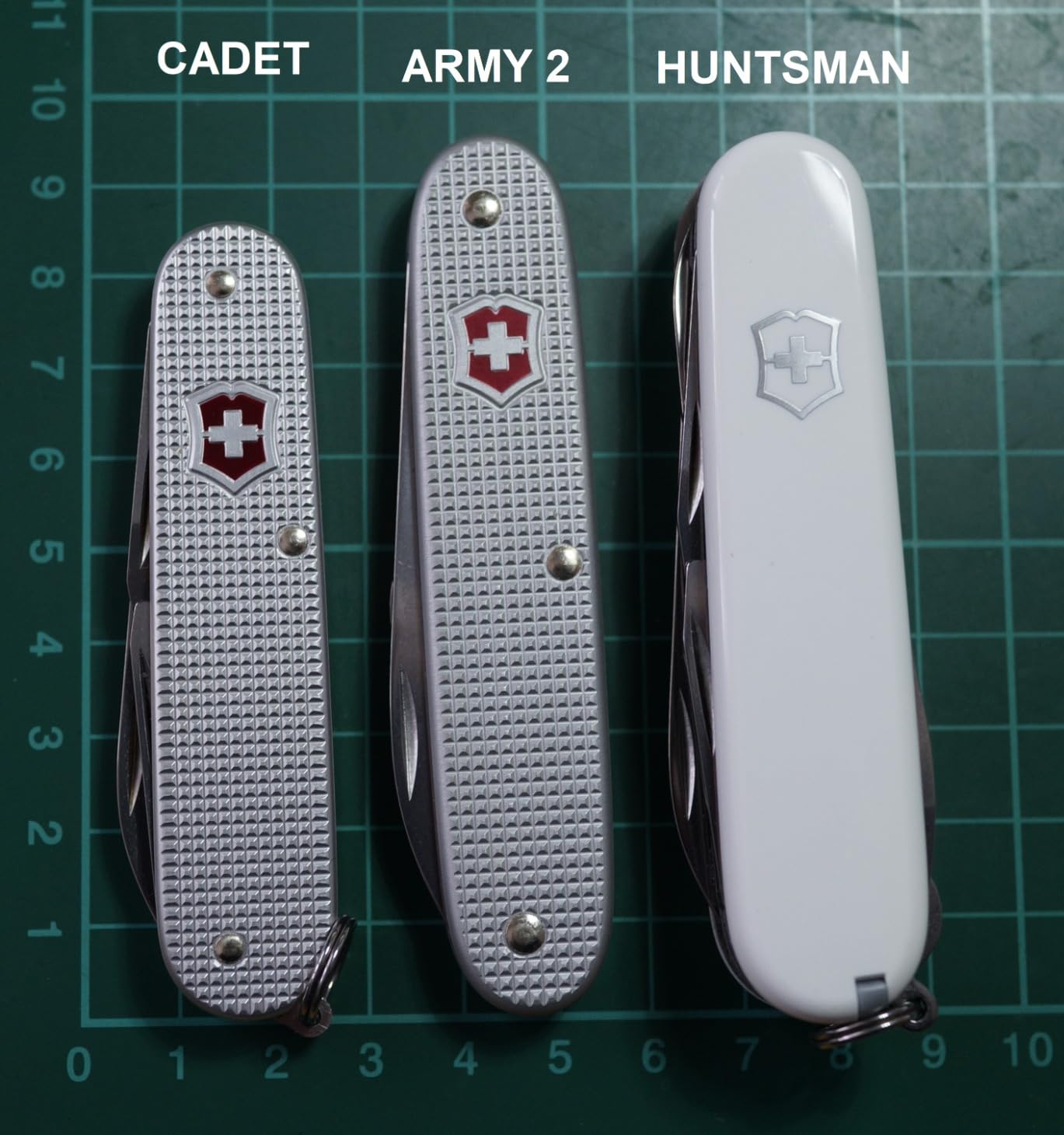
In a modern pocket knife world utterly dominated by overbuilt titanium frame-locks, frictionless ball-bearing pivots, and high-tech powder metallurgy super-steels, there quietly exists an unassuming, historical champion that has lived comfortably in pockets for over half a century: the Victorinox Cadet Alox.
While the knife community frequently raves about the highly specialized rust-proof wizardry found in our Spyderco Caribbean review, or heavily praises the bomb-proof, survivalist nature of the Fallkniven S1, the Cadet offers something completely different: pure, refined, socially acceptable elegance.
Make no mistake—this isn’t a knife you take to war; it’s a knife you take to a wedding. It isn’t designed to baton through thick oak logs in the wilderness, but rather to cleanly slice an apple, open a package, or tighten a loose screw on your sunglasses. In this comprehensive, deep-dive Victorinox Cadet review, we will brutally strip away the nostalgia and actively scrutinize the engineering, the legendary Alox scales, the utility of the toolset, and pit it head-to-head against both budget beaters and premium competitors to definitively see if it still rightfully holds the crown of the ultimate “Gentleman’s Carry.”
Technical Specifications
The spec sheet of the Cadet clearly dictates its intended use case. It completely ignores heavy-duty tactical metrics in favor of absolute pocketability and weight reduction.
| Model Name | Victorinox Swiss Army Cadet Alox (Item 0.2601.26) |
|---|---|
| Overall Length (Closed) | 84mm (3.3 inches) |
| Blade Length | 63mm (2.5 inches) |
| Total Thickness | 8mm (0.31 inches) – Ultra-Slim Profile |
| Overall Weight | 1.6 oz (46g) – Featherweight |
| Handle Material | Alox (Punched & Anodized Aluminum) |
| Blade Steel | Proprietary 1.4110 Stainless Steel (HRC 56) |
| Total Tools | 9 Distinct Functions |
| Lock Mechanism | Slipjoint (Traditional Non-locking) |
| Country of Origin | Ibach, Switzerland |
The Alox Advantage: Where Durability Meets Extreme Thinness
The absolute defining, iconic feature of the Cadet is its handle material. Alox stands for Aluminum Oxide. Rather than using the classic, smooth red Cellidor (plastic) scales found on a standard Swiss Army Knife (SAK), Victorinox utilizes a highly specific industrial process. They take raw aluminum scales, forcefully punch them from a solid sheet, deeply emboss them with a textured ribbed pattern for immense grip, and finally anodize them through an electrolytic oxidation process to create a hard, highly protective, and colorful outer layer.
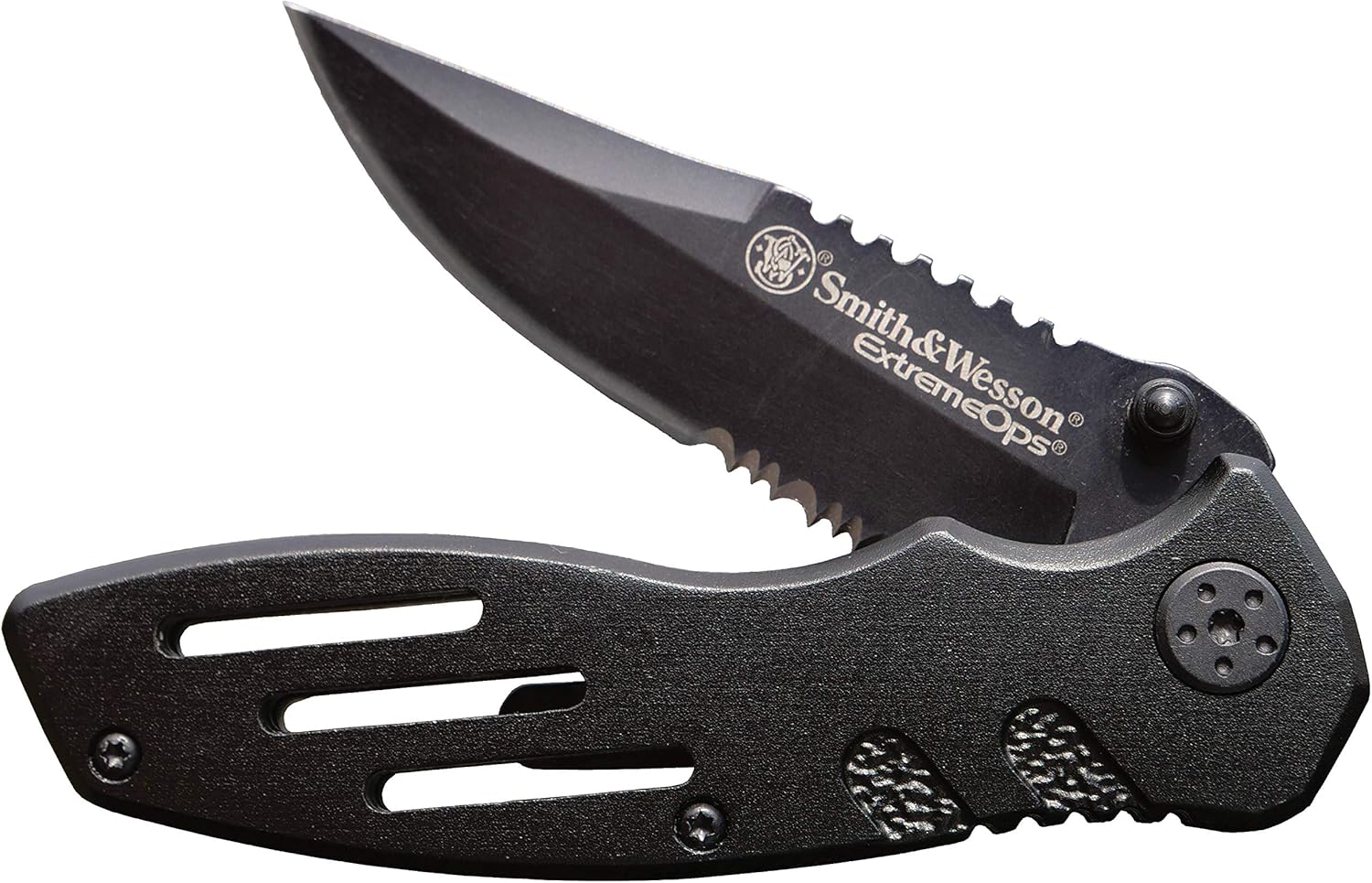
Compared to the traditional red plastic scales (which are notoriously prone to cracking, scratching, and melting), Alox is virtually indestructible. It will not crack if dropped on concrete. More importantly, from an EDC perspective, because the Alox scales are riveted directly flush to the internal liners—entirely eliminating the need for the bulky plastic housing—the knife is unbelievably thin. Measuring exactly 8mm thick, it completely disappears in a tailored suit pocket or lightweight summer gym shorts. This presents a stark, highly practical contrast to the bulky, pocket-shredding tactical options we frequently discuss in our Smith & Wesson reviews.
The Toolset: Distilled Urban Perfection
The Cadet abandons the useless “bloat” found on massive, 30-function Swiss Army Knives. It distills the toolset down to exactly what an urban dweller actually needs on a daily basis.
1. The Primary Blade
The main spear-point blade is 63mm long, featuring a full flat grind. While the proprietary Swiss steel is considered “soft” (around 56 HRC) compared to the wear-resistant S30V we extensively tested in the Kershaw Blur, it effortlessly takes a razor-sharp edge. Because the blade geometry is so incredibly thin, it slices through dense cardboard, packaging tape, and fruit with absolutely zero wedging resistance.
2. The Nail File / Cleaner
Replacing the redundant small secondary blade found on other 84mm models, the Cadet features a highly practical nail file. Older, vintage models utilized a cross-cut file which was overly aggressive; modern models use a beautifully textured, milled surface. The pointed tip serves brilliantly as a dedicated nail cleaner or, in a pinch, a highly effective small Phillips-head screwdriver.
3. The Cap Lifter (Bottle Opener)
This is a heavy-duty, combination tool: it functions flawlessly as a bottle opener, features a sharp wire stripper notch at the base, and terminates in a massive 6mm flathead screwdriver. Crucially, this specific tool is robust enough to perform light prying tasks (like opening a paint can), successfully sparing your delicate knife blade tip from catastrophic snapping damage.
4. The Can Opener
The classic Victorinox can opener doubles as a smaller 3mm flathead driver (which conveniently also fits larger Phillips screws perfectly). It mechanically works by pushing the blade forward around the rim of the can, a distinctly efficient motion compared to the pull-style openers found on other multi-tools like Leatherman.
The Arena: Cadet vs. The Cutlery World
To truly understand the value of the Cadet, we must meticulously compare it to its closest siblings and fiercest modern competitors.
The Pioneer is the Cadet’s older, beefier brother. The Pioneer is 93mm long (versus the Cadet’s 84mm) and significantly thicker. The Pioneer ditches the nail file entirely, replacing it with an incredibly sharp, heavy-duty reamer/awl. The blade stock is also noticeably thicker. The Verdict: If you are doing outdoor yard work, whittling, or light bushcraft, buy the Pioneer. However, for discreet office carry and lightweight urban utility, the Cadet’s slim, elegant profile wins every single time.
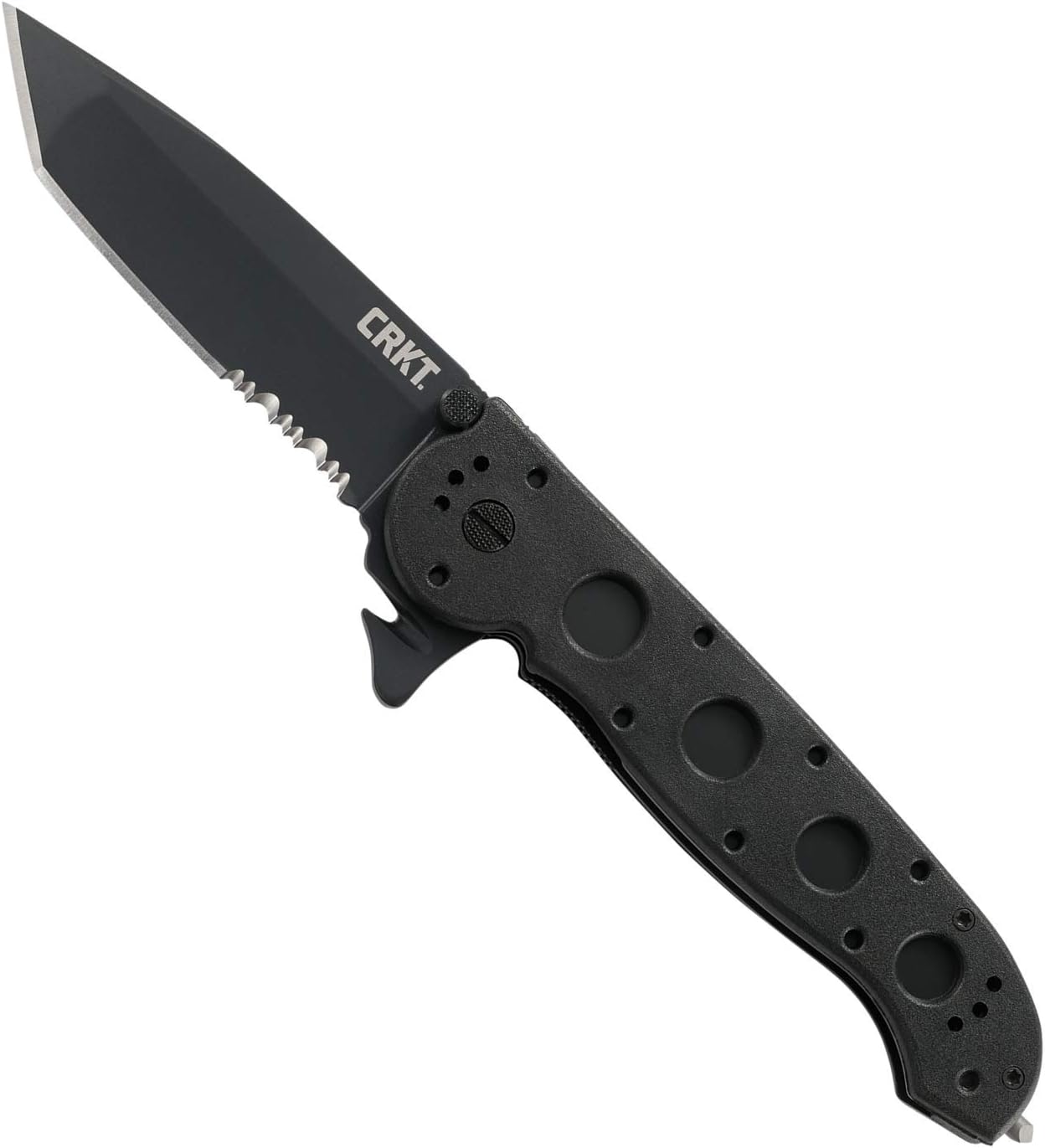
Comparing the Cadet to a modern flipper like the SOG TAC XR perfectly illustrates the two extreme ends of the EDC spectrum. The SOG offers lightning-fast, one-handed opening, an unbreakable crossbar lock, and a deep-carry pocket clip. The Cadet inherently requires two hands to open, utilizes a traditional non-locking slipjoint, and floats loosely in the pocket.
The Crucial Difference: The Cadet is entirely “socially invisible.” Pulling out a tactical SOG to cut an apple in a corporate breakroom might alarm coworkers; pulling out a shiny silver Swiss Army Knife universally draws smiles and nostalgia.
You can easily find generic, imported multi-tools in M-Tech reviews or at gas stations for a fraction of the price. But with a genuine Victorinox, the mechanical “snap” (often referred to as the “walk and talk”) of the slipjoint springs is absolutely legendary. The manufacturing tolerances are surgically precise. Cheap, knock-off alternatives frequently suffer from bent blades that aggressively rub against the steel liners, or tools that hopelessly clump together when opened. The Cadet is a generational heirloom; cheap imports are immediately disposable.
Video Review & Acoustic Demonstration
Words and macro photography can only convey so much. To truly appreciate the light glinting off those anodized Alox scales and explicitly hear the highly satisfying, acoustic “snap” of the Swiss-made tools locking into place, watch this detailed video demonstration.
Pros and Cons Summary
The Pros
- Ultra-Slim Profile: At 8mm thick, it completely vanishes in the pocket, creating zero bulk.
- Social Acceptance: The non-threatening, classic aesthetic is universally accepted, even in strict corporate or formal environments.
- Curated Tool Selection: The perfect, highly distilled mix of tools for urban, daily mechanical tasks.
- Unbeatable Value: An incredibly affordable entry price for flawless Swiss manufacturing and lifetime warranties.
- Alox Durability: The textured aluminum scales will practically last a lifetime without cracking or degrading like plastic.
The Cons
- No Pocket Clip: Must be carried loose at the bottom of the pocket or paired with an aftermarket suspension clip.
- Non-Locking Blade: The slipjoint mechanism means it is fundamentally unsafe for heavy-duty piercing or hard-use carving work.
- Missing Scale Tools: The solid Alox scales physically sacrifice the iconic hidden tweezers and plastic toothpick found on standard SAKs.
- Grip Issues: The hard aluminum scales can be somewhat slippery to grip when your hands are extremely wet or oily.
Recommended Purchasing Options & Essential Gear
If you have logically decided to add a Cadet to your EDC rotation, here are the absolute best purchasing options and highly recommended aftermarket accessories to instantly maximize your daily carry experience.

Victorinox Cadet Alox (Silver)
The definitive icon itself. The raw silver clear-coat shows scratches and pocket wear vastly less than the colored anodized versions. A mandatory staple for any collection.
Check Availability on Amazon
Victorinox Pioneer Alox
Need something slightly more robust? The Pioneer adds a terrifyingly sharp awl/reamer and a thicker, longer main blade for vastly tougher outdoor tasks.
Check Availability on Amazon
Tec Accessories P-7 Clip
The ultimate solution to the “no clip” problem. Easily attach this discreet clip to the keyring to hang the Cadet vertically inside your pocket, preventing it from bunching at the bottom.
Check Availability on Amazon
Victorinox Classic SD Alox
The perfect keychain companion. If you find the 84mm Cadet is still slightly too big for your minimalist needs, the tiny 58mm Classic SD is the definitive answer.
Check Availability on AmazonExpert Frequently Asked Questions (FAQ)
Is the Victorinox Cadet completely TSA approved for airline travel?
Absolutely No. Even though the main blade is very small and non-locking, it is still strictly considered a fixed or locking blade in the unbending eyes of the TSA. You emphatically cannot take the Cadet into the cabin in carry-on luggage. If you forget it in your pocket, it will be confiscated. It must be securely packed in checked baggage.
Is the Victorinox Cadet legal to carry in restrictive environments like the UK?
Yes. The Cadet is widely celebrated as being UK-Legal. Under UK knife laws, it is perfectly legal to carry a folding pocket knife in public without needing a “good reason,” provided that the cutting edge is strictly under 3 inches (7.62 cm) and the blade is entirely a non-locking slipjoint. The Cadet meets both of these strict criteria flawlessly.
Can I successfully modify the Cadet to add a permanent pocket clip?
While the Cadet does not come from the factory with a pocket clip, highly skilled modders do occasionally drill and tap the Alox scales to attach clips. However, this is incredibly difficult due to the thinness of the aluminum, and it completely voids the lifetime warranty. The universally recommended, safest solution is utilizing an aftermarket “Suspension Clip” that attaches to the split ring, securely hanging the knife vertically inside your pocket.
Does the colored Alox anodization easily chip or rub off?
The standard silver Alox is raw aluminum protected with a clear coat, meaning it shows physical wear the absolute least. The vibrantly colored Alox models (Red, Black, Hunter Green) are heavily anodized. Over years of hard, daily pocket use rubbing against keys or coins, the colored anodization will inevitably wear away on the raised high points of the ribbed texture, revealing the silver aluminum underneath. In the knife community, this visual wear is not considered a defect; it creates a beautiful, highly sought-after “distressed” patina that proves the tool is genuinely loved and used.
How frequently should I oil the slipjoint mechanisms to prevent rust?
The proprietary Victorinox stainless steel is exceptionally highly rust-resistant. However, the joints can collect pocket lint and grit, slowing the action. If you carry it daily, applying a single drop of food-safe mineral oil directly into the pivots every few months is completely sufficient. If you ever deeply wash the knife with hot soap and water (which is highly recommended to remove stubborn pocket lint), you must always re-oil the joints immediately after it dries to ensure the legendary “snap” remains perfectly crisp.
Final Conclusion: The Uncontested King of Elegance
The Victorinox Cadet is an absolute masterclass in restrained minimalism. It aggressively strips away the unnecessary, bulky tactical features of modern EDC tools and leaves you strictly with exactly what you mathematically need to solve 99% of daily, urban mechanical problems. It is incredibly elegant, entirely non-threatening, and highly functionally dense.
While it undeniably lacks the lightning-fast, one-hand opening speed of a Kershaw Blur or the brute-force survival chops of a heavy fixed blade like the Fallkniven S1, it excels tremendously in being the knife you actually have on you. Because it is so unimaginably thin and light, you will never casually leave it on your nightstand due to pocket fatigue. And as the old woodsman’s saying goes, the absolute best knife in the world is simply the one you happen to have in your pocket when an emergency strikes.
If you are actively looking for more diverse, old-school options, be sure to check our comprehensive reviews on Blue Ridge Knives for other classic traditional folders. Or, aggressively read about the extreme corrosion resistance of the Spyderco Caribbean if you live and work near the salty coast. But for the modern city dweller, the corporate professional, or the refined gentleman, the Cadet Alox remains the undisputed King.